Introduction
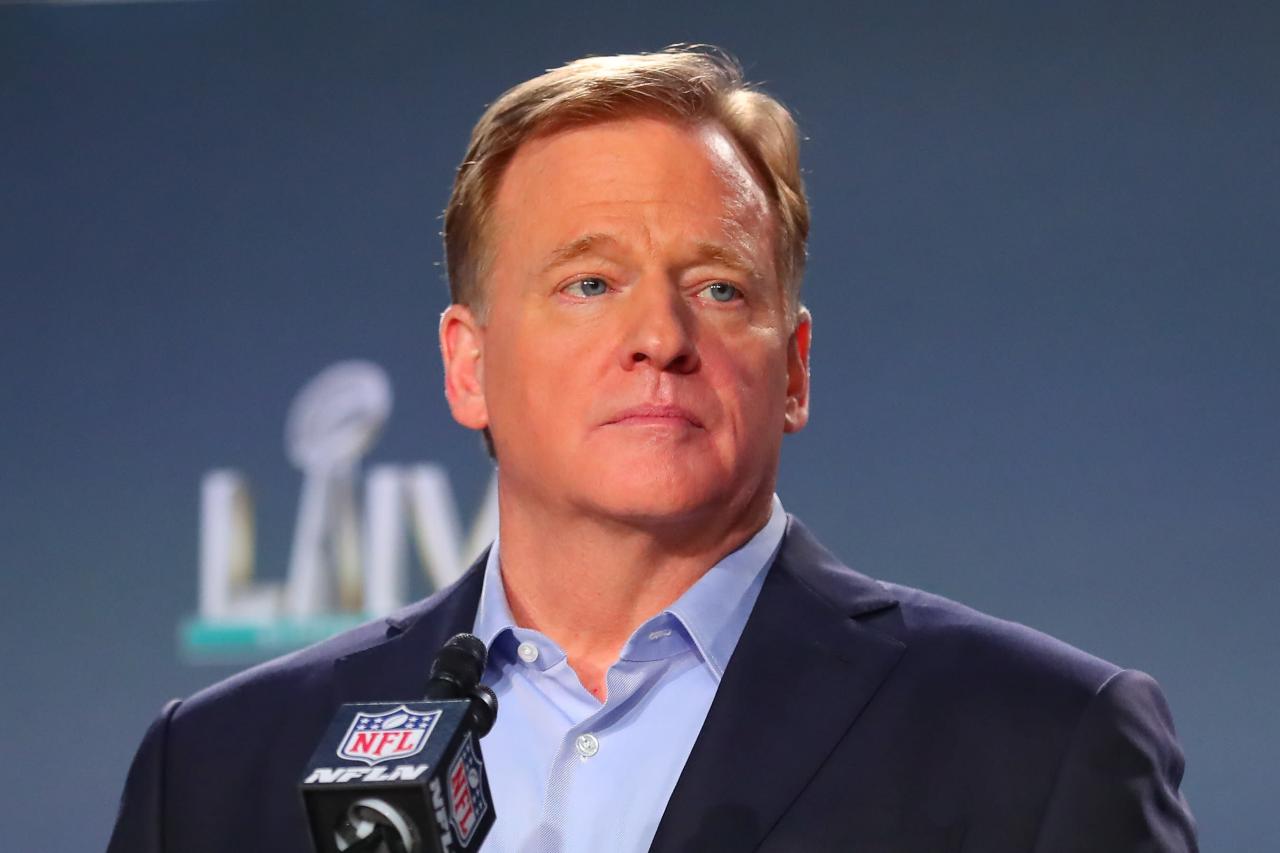
Roger Goodell, the current Commissioner of the National Football League (NFL), has been a pivotal figure in transforming the sport since he took office in 2006. His leadership has coincided with significant changes in player safety, game regulations, and the NFL’s global reach. Understanding Goodell’s role and initiatives is crucial, especially as the league faces challenges such as player health concerns, public relations issues, and a rapidly evolving sports landscape.
Goodell’s Leadership Journey
Goodell succeeded Paul Tagliabue in 2006, bringing a focus on both the business and competitive aspects of the NFL. Under his direction, the league has expanded its revenues significantly, reaching over $18 billion in 2022. This growth has also resulted in larger television contracts, with networks vying for broadcasting rights amid the league’s ever-increasing popularity.
Key Initiatives and Changes
One of Goodell’s most significant contributions has been his commitment to player safety. Following a number of high-profile injuries, including those related to concussions, the NFL implemented strict protocols regarding head injuries and has invested in research to better understand and prevent such issues. Goodell has emphasized the importance of maintaining the physical integrity of the game while ensuring the health of the players.
Another highlight of his tenure has been the NFL’s increased commitment to social issues. Goodell has worked to enhance the league’s image, particularly in response to controversies surrounding player protests during the national anthem. He has promoted initiatives focusing on social justice, equality, and community outreach, striving to position the NFL as a leader in positive change.
Challenges and Controversies
Despite his successes, Goodell’s tenure has not been without controversy. He has faced criticism over his handling of issues such as COVID-19 protocols, player conduct policies, and the disciplinary process for high-profile players. In recent events, the NFL’s response to domestic violence cases and racial injustice protests has drawn both support and backlash, indicating that Goodell’s decisions remain scrutinized.
Future Outlook
Looking ahead, Goodell’s leadership will be tested as the NFL continues to navigate complex issues, including expanding international markets, embracing new technologies like sports betting, and addressing ongoing health concerns. With increasing financial interests and a growing player advocacy movement, Goodell will need to balance the demands of a diverse array of stakeholders.
Conclusion
Roger Goodell’s impact on the NFL is profound and multifaceted. As the league evolves, his ability to adapt and address pressing concerns will play a critical role in shaping the future of American football. For fans and stakeholders alike, understanding Goodell’s initiatives and challenges offers valuable insight into the direction of the NFL in an ever-changing sports environment.