Introduction
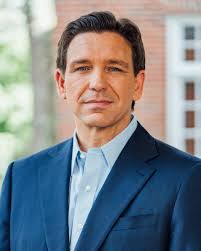
Ron DeSantis, the Governor of Florida, has emerged as a pivotal figure in American politics, especially in the context of the 2024 presidential elections. His policies and leadership during the COVID-19 pandemic have drawn both praise and criticism, making him a notable contender in the Republican Party’s landscape. As DeSantis continues to influence political discourse, it is essential to examine his journey, key decisions, and the implications for the broader political scene in the United States.
Background and Political Rise
Born on September 14, 1978, in Jacksonville, Florida, Ron DeSantis earned a degree from Yale University before attending Harvard Law School. His political career began in the U.S. House of Representatives, where he served Florida’s 6th district from 2013 to 2018. DeSantis’s campaign for governor in 2018 was marked by a strong endorsement from President Donald Trump, which significantly bolstered his visibility and support among Republican voters.
Governorship and Key Policies
DeSantis took office as Governor of Florida in January 2019 and quickly made headlines with his stances on various issues, particularly his approach to managing the COVID-19 pandemic. Unlike many other states, Florida’s response was characterized by fewer restrictions and a push to keep businesses open. This approach gained him a loyal following, particularly among those advocating for individual liberties and economic stability.
In addition to his pandemic policies, DeSantis has focused on education reform, implementing legislation aimed at reshaping school curriculum and funding. His initiatives to combat perceived “woke” ideologies in schools and governmental entities have resonated with conservative voters and defined his administration’s priorities.
Recent Developments and 2024 Presidential Aspirations
As 2024 approaches, DeSantis has become a key contender for the Republican nomination for president. He officially announced his candidacy in late May 2023, positioning himself as a candidate who embodies the values of conservatism while also addressing the current demands of constituents. His campaign has already seen significant fundraising success, suggesting robust early support.
Conclusion
Ron DeSantis’s political journey is a reflection of the evolving landscape of American politics. His positions on critical issues, particularly his response to COVID-19 and education reform, resonate with a segment of the electorate seeking change. As the presidential race heats up, DeSantis’s influence and potential ascendance to the national stage will continue to be a topic of interest for political analysts and voters alike. Observers will be keen to see how he navigates the challenges ahead and whether he can leverage his governorship into a successful bid for the presidency.