Introduction
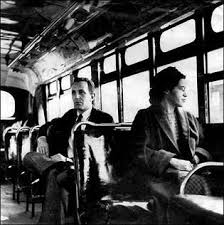
Rosa Parks, often hailed as the “Mother of the Civil Rights Movement,” played a pivotal role in challenging racial segregation in the United States. Her courageous act of defiance on December 1, 1955, when she refused to give up her bus seat to a white passenger in Montgomery, Alabama, became a catalyst for the Civil Rights Movement. Parks’ story is a powerful reminder of the struggles faced in the fight for equality and justice, emphasizing the importance of individual action in effecting societal change.
The Events of December 1, 1955
Parks’ arrest for violating segregation laws ignited immediate protests and laid the groundwork for the Montgomery Bus Boycott. Spearheaded by a young Martin Luther King Jr., this year-long boycott effectively crippled the city’s public transportation system and brought national attention to the injustices faced by African Americans in the South. The boycott led to a Supreme Court ruling that declared bus segregation unconstitutional, marking a significant victory for the Civil Rights Movement.
Legacy and Impact
Parks continued to be an active voice for civil rights throughout her life, working with leaders like King and participating in various civil rights organizations. Her bravery and commitment to justice transcended her initial act of defiance, transforming her into a lasting symbol of strength and resilience. Today, Rosa Parks is celebrated not only for her role in the Civil Rights Movement but also for her contributions towards women’s rights and social justice globally.
Commemoration and Education
Rosa Parks Day is observed in several states, honoring her contributions and educating the public about the ongoing struggles against racial discrimination. Schools and communities often hold events that encourage discussions about civil rights and social justice, reminding people of the importance of standing up for equality. The Rosa Parks Museum in Montgomery serves as a vital educational resource, highlighting her legacy and the broader civil rights movement.
Conclusion
The legacy of Rosa Parks continues to inspire new generations to stand against injustice. In a time when social movements are gaining momentum, her story serves as a reminder of the power of individual action in advocating for change. As we reflect on Parks’ contributions, it becomes increasingly clear that the fight for civil rights and social justice is an ongoing journey that requires collective effort and determination. The significance of her actions resonates deeply today, reminding us that each of us has the power to make a difference in our communities.