Introduction
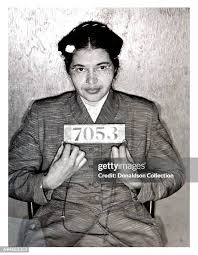
Rosa Parks, known as the “Mother of the Civil Rights Movement,” played a crucial role in shaping American history and advancing the fight for racial equality. Her courageous act of refusing to give up her bus seat to a white passenger on December 1, 1955, sparked the Montgomery Bus Boycott and brought widespread attention to the struggle against racial segregation in the United States. Parks’ proactive stance and subsequent activism are regarded as pivotal moments in the civil rights movement, marking her as a symbol of dignity and the tireless pursuit of justice.
A Defining Moment in History
Parks’ arrest for defying segregation laws was not an isolated incident; it was the culmination of years of civil rights activism. As a member of the NAACP, she had tirelessly worked on various civil rights campaigns prior to her act of defiance. Her refusal to move sparked outrage within the African American community and led to the Montgomery Bus Boycott, which lasted for 381 days. This boycott was a significant example of nonviolent protest against racial injustice, and it drew national and international attention to the plight of African Americans in the South.
Impact of the Montgomery Bus Boycott
The boycott, which was led by Baptist minister Dr. Martin Luther King Jr., resulted in the Supreme Court declaring segregation on public buses unconstitutional in 1956. This victory not only marked a substantial legal change but also significantly amplified the civil rights movement, inspiring other cities to initiate similar protests and actions. Parks became an icon after the boycott; her name was synonymous with courage and resistance against oppression.
Continued Activism and Legacy
Following her emergence as a national figure, Parks continued to work for civil rights, participating in various initiatives focused on education, voter registration, and social justice. In the years that followed, she fostered an ongoing commitment to activism, supporting the Black Power movement and advocating for economic justice. Parks received numerous accolades for her contributions, including the NAACP’s Spingarn Medal and a posthumous Congressional Gold Medal.
Conclusion
Rosa Parks’ impact on civil rights and social justice is immeasurable. Her bravery not only challenged societal norms but also inspired generations to fight against inequality. As society continues to grapple with issues of systemic racism and social inequity, Parks’ legacy serves as a vital reminder of the past struggles for justice, and the ongoing fight ahead. Today, her contributions highlight the importance of standing up against injustice, reminding us that one act of courage can spark significant change.