Introduction
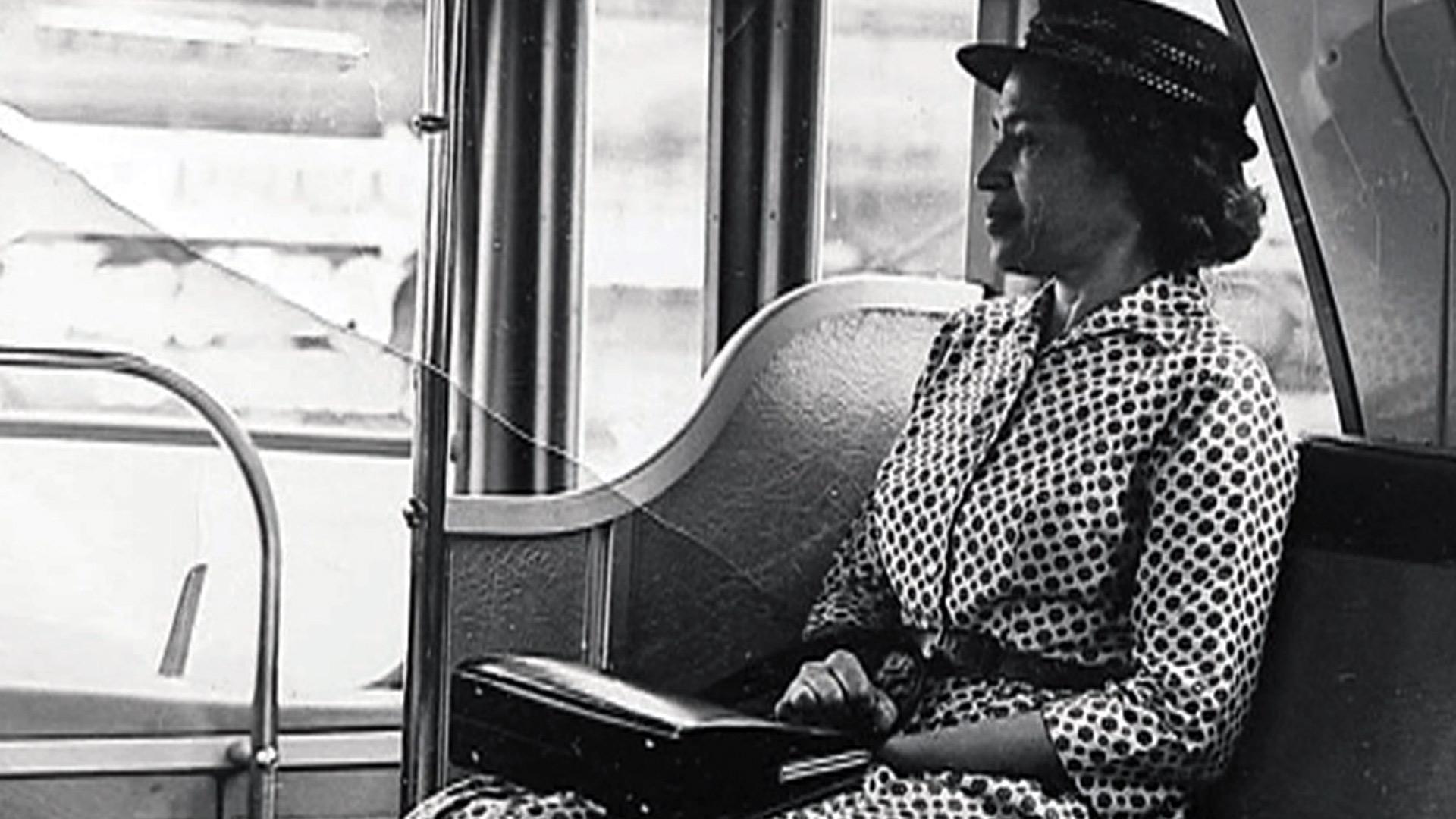
Rosa Parks, often referred to as the “Mother of the Civil Rights Movement,” played a pivotal role in American history by championing the cause of racial equality. Her courageous refusal to give up her seat on a segregated bus in Montgomery, Alabama, on December 1, 1955, ignited a series of events that would transform the fight for civil rights across the nation. As we reflect on her contributions, it is essential to understand her significance in the ongoing struggle for justice and equality.
The Bus Incident and Its Aftermath
On that fateful day in 1955, Parks, a 42-year-old African American seamstress, was arrested for declining to relinquish her seat to a white passenger, in compliance with the discriminatory laws of the time. Her arrest prompted community leaders to take action, leading to the Montgomery Bus Boycott, which lasted for over a year. This boycott, organized by figures such as Martin Luther King Jr., aimed to dismantle segregation on public buses and became one of the first large-scale demonstrations against racial inequality in the United States.
The Impact of Rosa Parks
Parks’ defiance not only brought national attention to the Civil Rights Movement but also inspired a generation of activists. Her action was not merely a spontaneous act of rebellion; it was a calculated stand against systemic racism that resonated deeply within the African American community. The boycott resulted in a landmark Supreme Court decision that deemed segregation on public buses unconstitutional, marking a significant victory for civil rights advocates.
Legacy and Significance
Rosa Parks continued to be an active participant in the Civil Rights Movement throughout her life, working alongside leaders such as King and participating in various initiatives aimed at advancing civil rights. She received numerous awards and honors, including the NAACP’s Spingarn Medal and the U.S. Congressional Gold Medal. Parks passed away on October 24, 2005, but her legacy endures, symbolizing courage and the ongoing struggle for justice and equality.
Conclusion
The story of Rosa Parks is not just about one woman’s act of defiance; it embodies the collective fight against inequality that continues to this day. As the nation commemorates her contributions, it is crucial for readers to recognize the importance of standing up against injustice in all forms. Parks has become a symbol of hope and change, inspiring future generations to advocate for civil rights, unity, and equality for all.