Introduction
Rufus Wainwright, born on July 22, 1973, is a renowned Canadian-American singer-songwriter known for his distinct voice and eclectic musical style. He has made significant contributions to contemporary music, blending genres such as opera, folk, and pop, making him a unique figure in the industry. His relevance has only increased over the years, particularly as he continues to inspire a new generation of artists and songwriters.
Early Life and Musical Beginnings
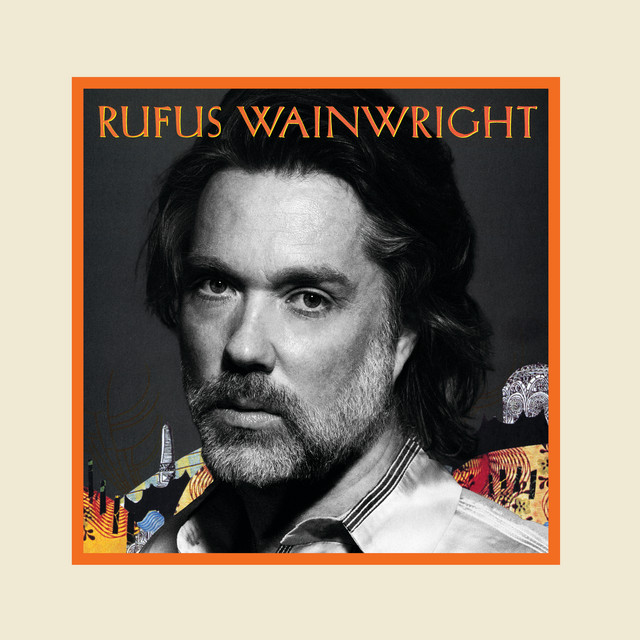
Wainwright was born into an artistic family; his mother is folk singer Kate McGarrigle, and his father is celebrated songwriter Loudon Wainwright III. Growing up surrounded by music allowed Wainwright to cultivate his talent from an early age. He began performing publicly at the age of 13. His self-titled debut album, released in 1998, received critical acclaim, showcasing his deep lyrical style and musical versatility.
Career Highlights
Rufus gained widespread recognition with his album Poses released in 2001, which included hit singles like “Cigarettes and Chocolate Milk.” His elaborate arrangements and operatic influences set him apart from many of his contemporaries. Wainwright has received multiple awards, including a Grammy nomination and an Outstanding Musician award at the New York Music Awards. His collaboration with esteemed artists, such as Elton John and Mark Ronson, further solidified his status in the music industry.
Furthermore, Rufus is known for his commitment to the arts beyond music; he has written an opera titled Prima Donna, celebrated for its complex themes and emotional depth. His performance repertoire includes shows at prestigious venues worldwide, and he has openly discussed his personal struggles with addiction and mental health, which have resonated with many of his fans.
Recent Work and Legacy
In recent years, Wainwright has continued to produce music that reflects his growth and maturity as an artist. His recent album Unfollow the Rules explores themes of love, loss, and self-discovery, receiving positive reviews from critics. Furthermore, he has participated in online concerts and live-stream events, staying connected with fans during the pandemic, which demonstrates his adaptability in a challenging time for the arts.
Conclusion
Rufus Wainwright’s influence on modern music is undeniable, with his unique sound inspiring countless artists across various genres. As Wainwright continues to evolve and explore new creative paths, it is anticipated that he will remain a prominent figure in the musical landscape. For readers and music fans alike, keeping an eye on his upcoming projects will be insightful, as his work continues to reflect the changing dynamics of the music industry.