Introduction
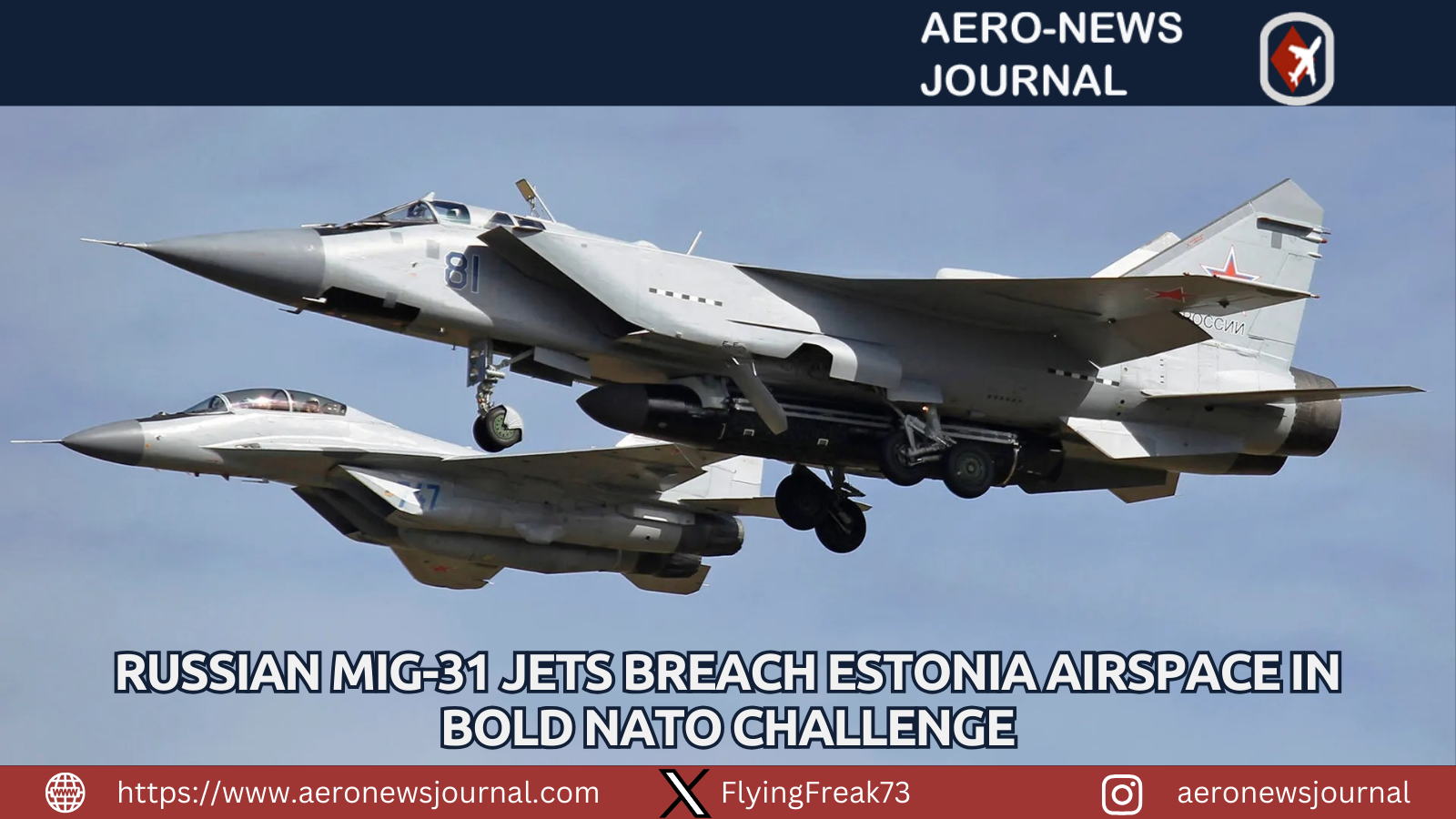
The recent violations of Estonian airspace by Russian military jets have reignited concerns regarding regional security in the Baltic region. This topic not only highlights the delicate balance of power between NATO and Russia but also reflects ongoing tensions amid geopolitical uncertainties. As NATO countries ramp up their alert readiness in response, understanding these incidents is crucial for deciphering the dynamics at play.
Details of the Incidents
Estonian defense authorities reported that several Russian jets have crossed the border into Estonian airspace without prior notice in recent weeks. In one notable incident, which occurred on October 12, 2023, two Russian Su-24 fighter jets were detected flying over Estonian territory for a brief period. The Estonian Air Force scrambled to intercept the jets, highlighting the immediate response necessary in light of such breaches. Officials have called these actions a violation of national air sovereignty and condemned them as a provocative act by Russia.
After each incident, NATO authorities received notifications, and Estonia has since heightened its air patrols in the region. This escalation comes amidst Russia’s ongoing military exercises near the Baltic states, which further contributes to heightened tensions. Experts suggest that these activities serve both a strategic and psychological purpose as Russia aims to project power and influence in the region.
International Responses
The Estonian government, supported by NATO allies, has condemned these airspace violations. NATO spokespersons have reiterated their commitment to the defense of Eastern European member states. Reactions from major players in the international community have also stressed the need for vigilance against any form of aggression. In the recent NATO summit held last month, discussions included reinforcing air defenses in the face of such provocations, signaling unity among member states against threats from the east.
Conclusion
As the frequency of airspace violations by Russian jets increases, the importance of coordinated international responses cannot be overstated. The situation in the Baltic states is precarious and reflects broader geopolitical tensions. The violations not only threaten national security but also serve to educate military strategies within NATO member countries. Looking ahead, experts believe that monitoring and diplomatic engagement will be crucial in mitigating risks and ensuring stability in the region. The evolving military landscape demands that Estonia and its NATO allies remain ever vigilant, ready to respond to any further incursions into their airspace.