Introduction
The threat of a government shutdown has once again loomed over the United States as Senate Democrats have taken decisive actions to secure funding and prevent disruption of essential government services. With political tensions escalating and negotiations intensifying, the role of Senate Democrats has become crucial in finding a resolution to ensure that the government continues to operate without interruption.
Current Events and Background
As the new fiscal year approaches, Congress is faced with critical budget decisions. In recent weeks, Senate Democrats have focused their efforts on negotiating with their Republican counterparts to reach a bipartisan agreement. The urgency for a resolution has heightened due to the dire impact a shutdown would have on federal employees, government operations, and public services.
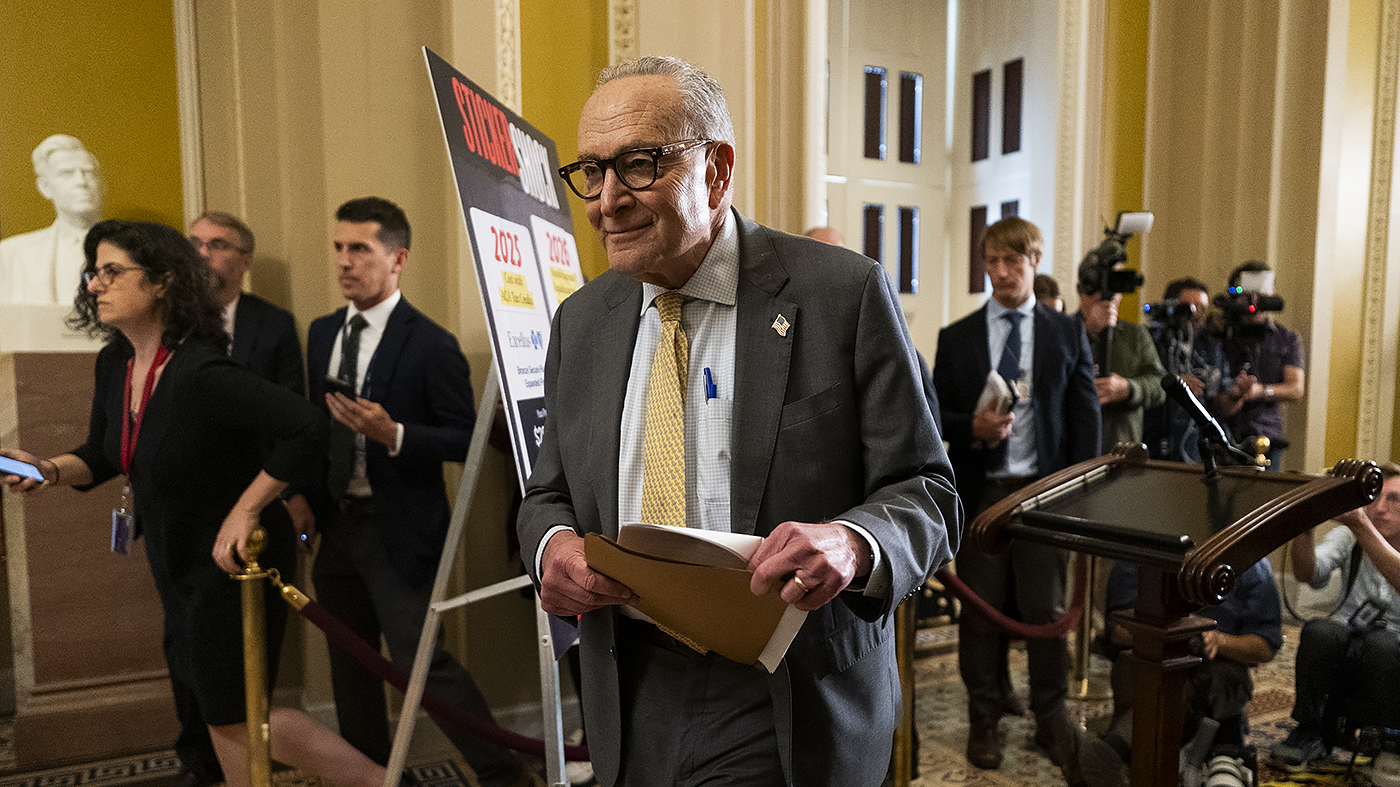
Recent reports indicate that Senate Majority Leader Chuck Schumer is actively engaging with Republican leaders to draft a continuing resolution that would keep the government funded at current levels. This proposal aims to provide additional time for lawmakers to address more comprehensive budgetary issues, including allocations for defense, social services, and infrastructure projects, which have become points of contention between the parties.
Democratic Strategies and Challenges
Senate Democrats are employing a multi-faceted strategy in their negotiations, emphasizing the importance of maintaining funding for critical programs. They are advocating for financial support for public health initiatives, education, and social services, which are vital for many Americans. The Democratic caucus is well aware of the political ramifications of a shutdown, especially as the 2024 elections approach.
However, they face hurdles, including divisions within the Republican Party. Some GOP members are advocating for spending cuts that Democrats consider detrimental. Furthermore, the political landscape is complicated by the presence of a small group of hardline conservatives in the House of Representatives who are pushing for drastic cuts and a stricter budgetary framework. This faction threatens to derail any compromise that Senate Democrats and more moderate Republicans are trying to forge.
Conclusion and Significance
As the deadline for a government shutdown approaches, the stakes are high for Senate Democrats and the entire Congress. The actions taken over the next few weeks will not only affect government operations but also shape public perception ahead of the upcoming presidential elections. If a shutdown can be averted, it would demonstrate legislative efficacy and responsiveness to the needs of the American people.
Looking ahead, it remains crucial for both parties to engage in constructive dialogue and find common ground to ensure the functioning of the government. The outcome of these negotiations will have lasting implications on federal programs and the lives of citizens that depend on these essential services.