Introduction
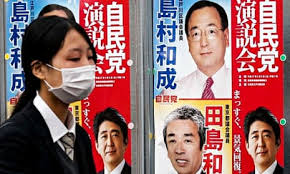
Shinzo Abe, who served as Japan’s Prime Minister in two non-consecutive terms, was one of the country’s most influential political figures. His leadership brought notable changes to Japan’s economic and security policies, shaping the nation’s trajectory in the 21st century. Following his assassination in July 2022, discussions surrounding his legacy have intensified, emphasizing the relevance of his policies and decisions in contemporary Japan.
Economic Policies: Abenomics
Abe introduced ‘Abenomics,’ a set of economic policies aimed at revitalizing Japan’s stagnant economy following decades of deflation. These policies encompassed three main strategies: aggressive monetary easing, fiscal stimulus, and structural reforms. His approach helped to increase Japan’s GDP and reduce unemployment rates, sparking debates about the long-term sustainability of his economic initiatives. Critics pointed out the rising national debt and inequality as significant issues that were not adequately addressed, suggesting a mixed outcome for Abenomics.
Security and Foreign Policy
Under Abe, Japan also took significant steps to strengthen its defense posture. Amid growing tensions with North Korea and China, he pushed for constitutional reforms that would allow Japan a more proactive military role, breaking away from its post-World War II pacifism. His approach fostered closer military ties with the United States and other allies, signaling a shift in Japan’s defense strategy. This change, however, faced considerable domestic opposition, reflecting deep-seated sentiments regarding military engagement.
Conclusion
Shinzo Abe’s tenure as Prime Minister has left a complex legacy in Japan. His policies sought to reinvigorate the economy and reshape the nation’s security framework. As Japan continues to navigate its domestic and international challenges, Abe’s influence remains palpably felt. Future leaders may draw lessons from his initiatives, yet the effectiveness and ethical implications of his policies will likely continue to fuel discussions in both politics and academia. The significance of Abe’s political vision will be crucial as Japan seeks to redefine its role on the global stage in an increasingly tumultuous world.