Introduction
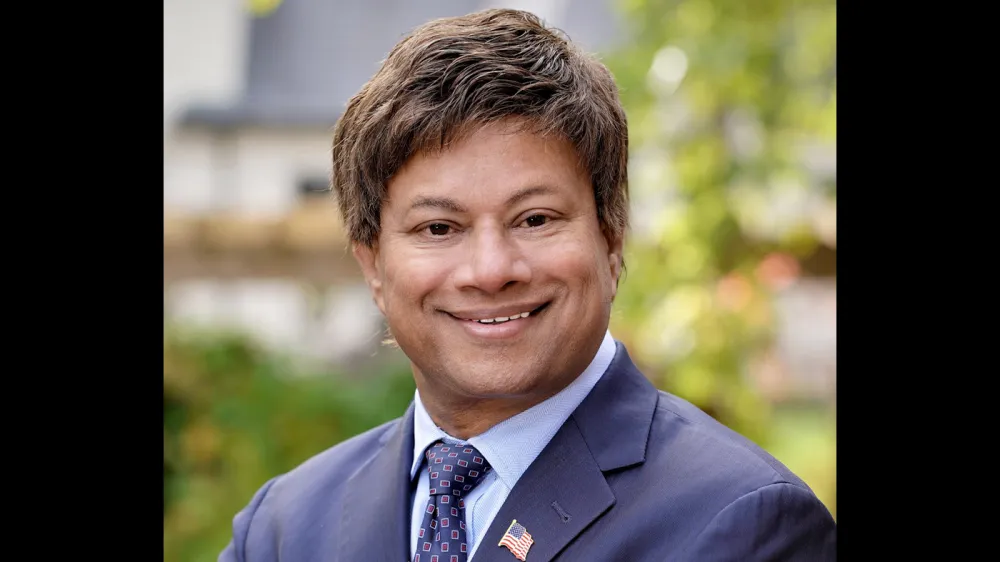
Shri Thanedar, an Indian-American entrepreneur and politician, has been making headlines as a member of the United States Congress. His rise in the political sphere signifies a broader trend of increasing diversity within U.S. politics, reflecting the changing demographics of the nation. Thanedar’s journey from a small business owner to a political leader highlights his dedication to serve and address issues affecting his constituents, making him a significant figure in contemporary political discourse.
Background and Early Life
Born in India, Thanedar emigrated to the United States in the late 1970s, pursuing higher education and eventually launching successful businesses. His entrepreneurial spirit was evident when he founded a biotech company that contributed to significant advances in job creation and innovation in his community. His commitment to economic development and education stems from his own life experiences, making him an advocate for policies that inspire growth and opportunity.
Political Career
Thanedar’s political journey began with his election to the Michigan State House of Representatives, where he served as a representative for the 10th district. His focus on healthcare reform, education, and economic development has resonated with many voters. His recent election to Congress marks a critical step forward, positioning him to influence national policy directly. His campaign was rooted in inclusiveness and progressive change, aiming to connect with a diverse voter base.
Recent Initiatives and Focus Areas
During his time in Congress, Thanedar has dedicated himself to a variety of initiatives, such as advocating for environmental sustainability, expanding healthcare access, and reforming education funding. Notable within his legislative agenda is a focus on supporting small businesses and ensuring that resources are allocated to the most affected communities. His active engagement with constituents through town halls and community outreach programs illustrates his commitment to responsive governance.
Conclusion
Shri Thanedar’s impact on American politics is just beginning, and as he continues to address critical issues, his role could grow more influential. His story illustrates not only the American Dream but also the potential for elected officials to enact meaningful change in their communities. Observers of U.S. politics will undoubtedly be watching how he navigates the complexities of Congress, as his career may well inspire future generations of diverse leaders in this country.