Introduction
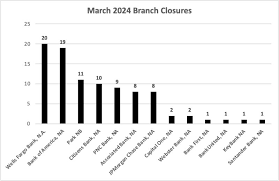
Wells Fargo, one of America’s largest banks, has recently announced the closure of several branches nationwide, a move that has raised concerns among customers and communities. The closures come as the banking industry continues to adapt to changing consumer behaviors, especially in the wake of the COVID-19 pandemic and the rise of digital banking. This development is significant not only for bank customers but also for the local economies that rely on these financial institutions.
Details of the Closures
According to recent reports, Wells Fargo plans to close 250 branches over the next few years, affecting locations primarily in urban and suburban areas. The bank cites a decrease in foot traffic and a growing preference for online banking services as key reasons behind the decision. CEO Charlie Scharf mentioned in a recent earnings call that the bank is focusing on enhancing its digital platform and providing services that align with customer preferences.
In addition, some areas covered by the closures are already considered bank deserts, where access to banking services is limited. Residents of these neighborhoods have expressed concerns about the potential negative impact on their ability to access financial services, manage cash, and save. Community leaders are calling on Wells Fargo to reconsider its strategy in these vital areas.
Impact on Customers and Communities
The closures are anticipated to have a varied impact. For many customers, especially the elderly or those without easy access to technology, losing a local bank can create significant challenges in managing their finances. Furthermore, small businesses that relied on local banks for transactions and loans may find themselves seeking new financial partners.
Reactions from local community banks and credit unions have been mixed. While some are seeing an uptick in interest from dissatisfied Wells Fargo customers, others warn that maintaining strong relationships with the community is essential for the long-term sustainability of smaller institutions.
Conclusion
The decision by Wells Fargo to close bank branches reflects broader trends within the financial industry as it adjusts to a digital-first approach. While the bank aims to enhance its services and streamline operations, it must also weigh the human impact of these changes. Future forecasts indicate that the trend of bank closures may continue as more customers opt for digital banking options. However, it remains crucial for financial institutions, including larger banks like Wells Fargo, to consider their community commitments and the implications of closing physical branches. For residents in affected areas, advocating for accessible banking services will be essential in navigating these transitions.