Introduction
The recent recall of vehicles equipped with Takata airbags has reignited significant concerns over automotive safety regulations. Stellantis, a prominent player in the automotive industry, made headlines as it announced a recall affecting numerous models due to safety risks posed by the airbags, which have been implicated in multiple accidents and fatalities. Understanding this recall is crucial for vehicle owners, potential buyers, and anyone concerned about road safety.
Details of the Recall
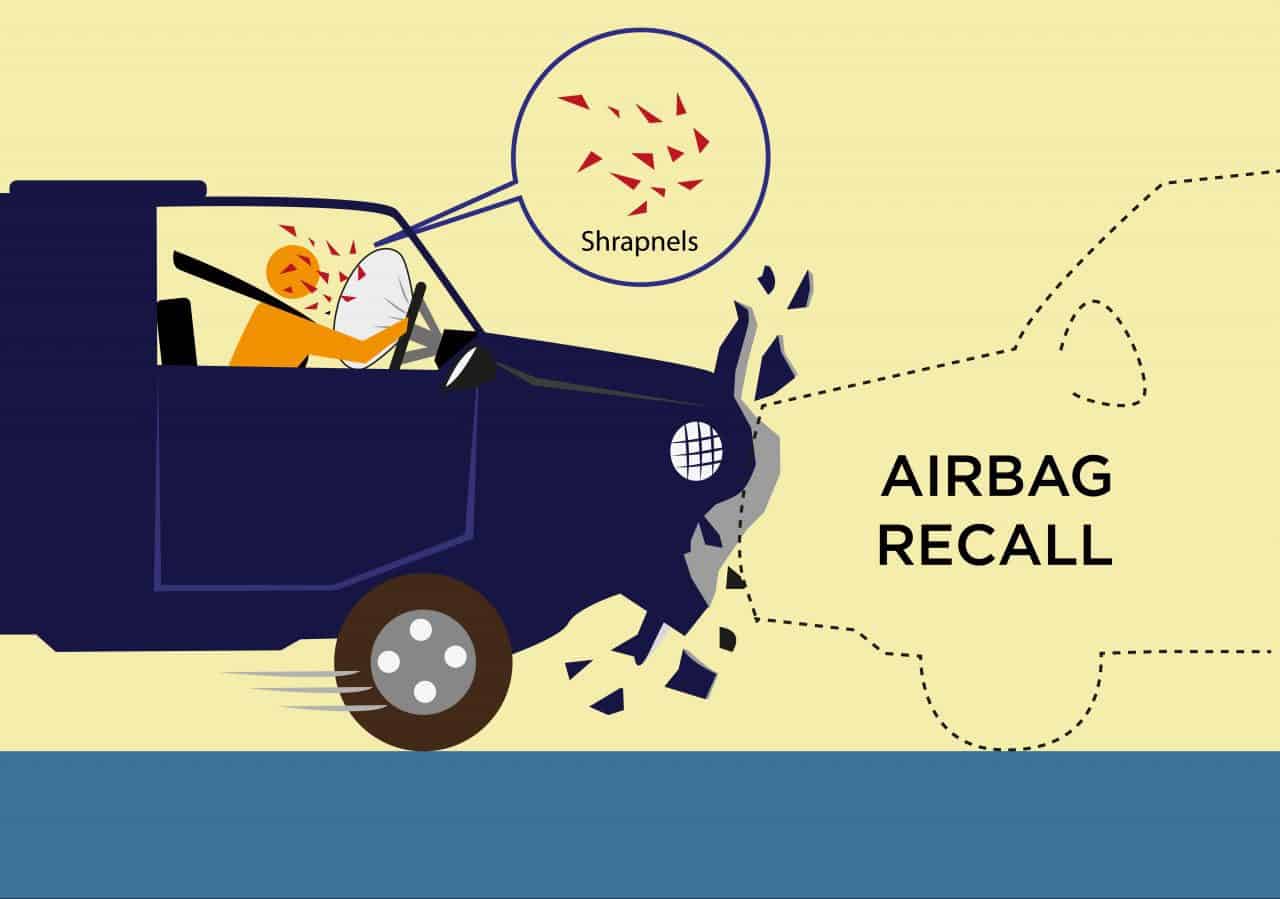
Stellantis confirmed that approximately 100,000 vehicles are being recalled due to the risk associated with defective Takata airbags. The affected models include several popular cars and SUVs from the Chrysler, Jeep, and Dodge brands, manufactured between 2010 and 2017. These airbags may deploy with excessive force, causing metal fragments to project into the vehicle cabin during accidents, posing serious injury risks to passengers.
The National Highway Traffic Safety Administration (NHTSA) is closely monitoring the situation, emphasizing the urgency for affected car owners to take action. Notifications will be sent out to customers, advising them to bring their vehicles to authorized dealers where replacement airbags will be installed free of charge. Stellantis is assuring owners that the safety of its customers is a top priority and is committed to rectifying this imminent danger swiftly.
Background on Takata Airbags
The Takata airbag scandal began nearly a decade ago, with millions of vehicles recalled globally due to faulty airbags that had been linked to numerous injuries and deaths. Takata Corporation filed for bankruptcy in 2017, and the fallout has led to multiple recalls across various automakers worldwide. This large-scale issue showcases systematic failures in safety standards that has spurred calls for regulatory reforms and better oversight in the automotive industry.
Conclusion
This Stellantis recall serves as a poignant reminder of the ongoing effects of the Takata airbag crisis. For consumers, it is crucial to remain vigilant about vehicle safety recalls and take necessary actions to ensure their safety. Individuals who own older vehicles, particularly those from affected brands and models, should remain attentive to incoming notifications and act promptly to mitigate any potential risks. As regulatory bodies continue to push for safety improvements, this incident may lead to stronger enforcement of safety standards and greater accountability among automakers in the future.