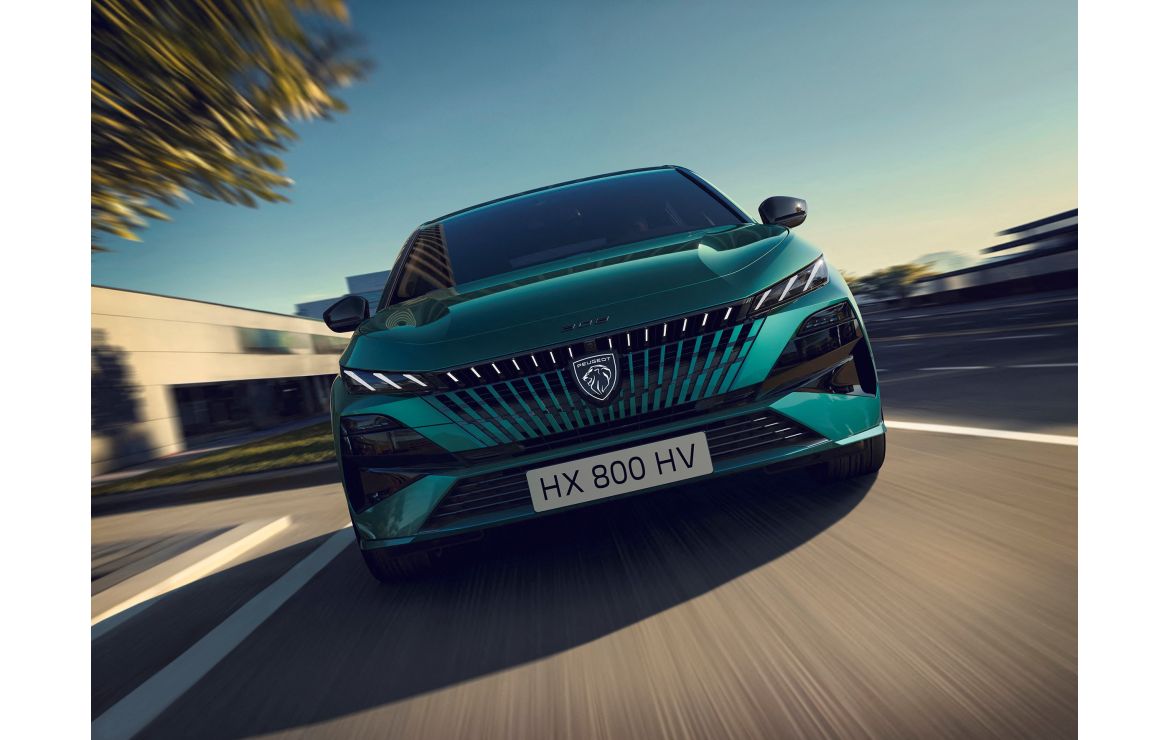
Introduction to Stellantis
Stellantis N.V., the automotive giant formed from the merger of Fiat Chrysler Automobiles (FCA) and the PSA Group, represents a significant transformation in the global automotive landscape. Established in January 2021, Stellantis has quickly emerged as the fourth largest car manufacturer in the world, boasting a portfolio of iconic brands including Jeep, Ram, Peugeot, Citroën, and more. With the automotive industry facing unprecedented challenges, including a push towards electrification and sustainable mobility, Stellantis is at the forefront of innovation and adaptation.
Recent Developments and Innovations
In recent months, Stellantis has made strategic moves to enhance its commitment to electric vehicles (EVs). The company announced plans to invest over $35 billion in electrification through 2025, aiming to launch more than 30 new electric models by 2025. This commitment underscores Stellantis’s vision to become a leader in sustainable transportation. Notably, Stellantis unveiled its new EV platform, which promises to offer enhanced efficiency, range, and performance across its diverse vehicle lineup.
Additionally, Stellantis has made partnerships with technology firms to accelerate the development of connected car technologies. This includes collaborations for software development, ensuring that their vehicles are equipped with the latest features to enhance user experience and safety.
Challenges and Market Position
Despite its growth and innovation, Stellantis faces challenges as it navigates the ever-evolving automotive market. Supply chain disruptions, particularly related to semiconductor shortages, have impacted production schedules and inventory levels. The company is focused on mitigating these issues by restructuring its supply chain and optimizing manufacturing processes.
Furthermore, Stellantis must compete with traditional automakers and emerging EV startups, all striving to capture a share of the electric vehicle market. As consumer preferences shift towards sustainable and tech-driven vehicles, Stellantis is tasked with effectively positioning its brands to meet these demands.
Conclusion and Future Outlook
As Stellantis moves forward, its emphasis on innovation and sustainable practices appears to be a solid strategy in confronting the challenges ahead. By investing heavily in electric vehicles and technology, Stellantis aims to not only adapt but thrive in the competitive automotive landscape. Analysts project that if Stellantis continues on this path, it could solidify its position as a leader in both the traditional and electric vehicle sectors, ultimately contributing to a more sustainable future for transportation.