Introduction to Student Loans
Student loans have long been a pivotal financial tool for countless Americans seeking higher education. With rising tuition costs, the reliance on loans has intensified, impacting millions of borrowers. Recent legislative developments and economic conditions have made the topic of student loans more relevant than ever, prompting new questions about repayment and cancellation.
Current State of Student Loans
As of 2023, student loans collectively surpass $1.6 trillion in the United States, affecting over 45 million borrowers. In an effort to alleviate this enormous burden, the Biden administration has proposed a range of reforms, including the potential for loan forgiveness, interest rate adjustments, and expanded income-driven repayment plans.
In August 2022, the administration announced a plan to forgive up to $20,000 for Pell Grant recipients and up to $10,000 for other federal student loan borrowers, a move that would impact approximately 43 million individuals. However, this initiative has faced legal challenges, creating uncertainty and controversy surrounding its implementation.
Repayment Changes and Programs
Alongside forgiveness efforts, there have also been changes to repayment plans. The Department of Education has introduced the Saving on a Valuable Education (SAVE) plan, which aims to lower monthly payments based on income and family size. This plan is designed to ensure that borrowers are not squeezed by their loan payments, particularly in times of economic struggle.
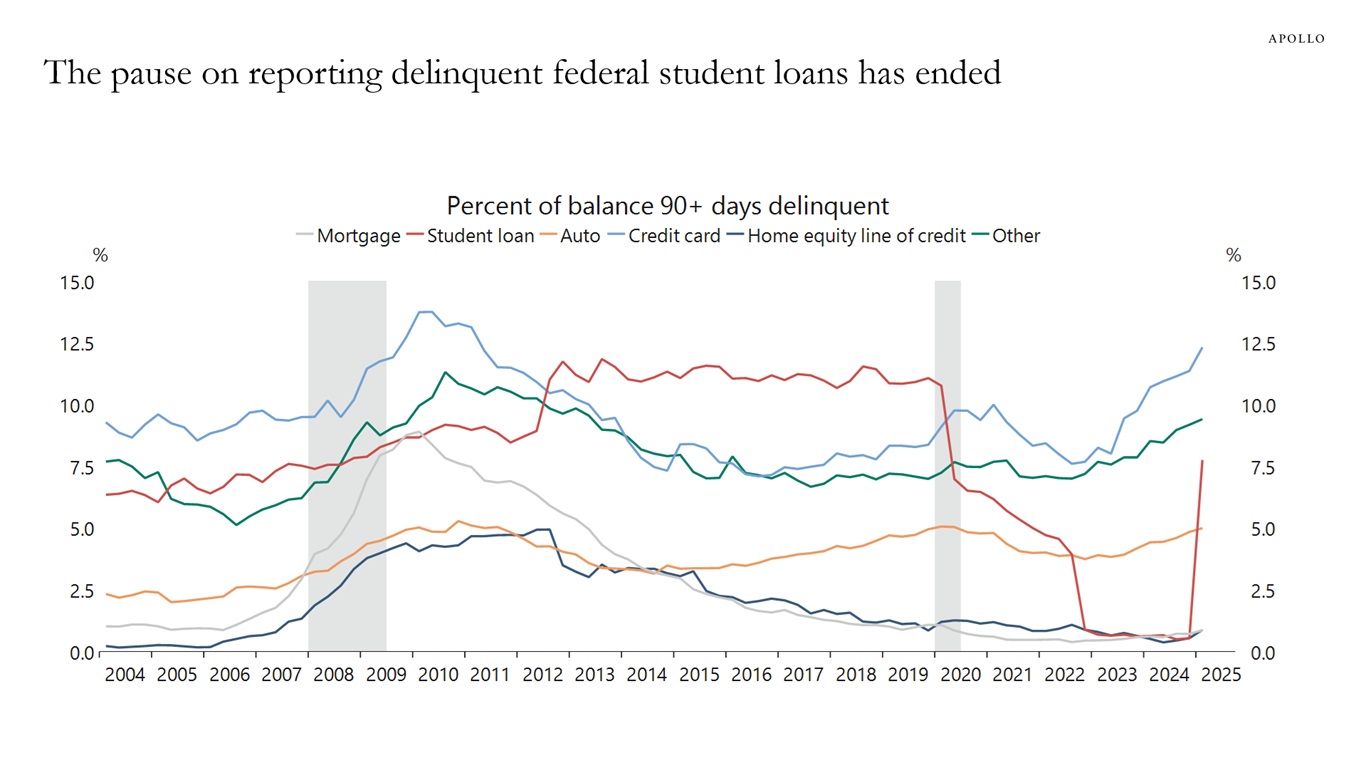
Moreover, the temporary pause on federal student loan payments, which began at the onset of the COVID-19 pandemic, has been extended, giving borrowers additional relief as they prepare for the resumption of payments—which is anticipated to restart in early 2024. This extension has provided crucial breathing space for many struggling to meet financial obligations.
Conclusion: The Future of Student Loans
The ongoing developments in the realm of student loans present both challenges and opportunities for borrowers. With rising advocacy for reforms and a significant legislative focus, it appears that the landscape of student loans may undergo substantial shifts in the coming years. Borrowers are urged to stay informed about their rights and available programs that can assist them in navigating their educational debt.
As we move towards potentially transformative changes in student loan policies, the implications for future students, borrowers, and the economy at large remain to be seen. Vigilance and proactive engagement with education financing options will be essential for navigating the complexities of student loans in 2023 and beyond.