Introduction
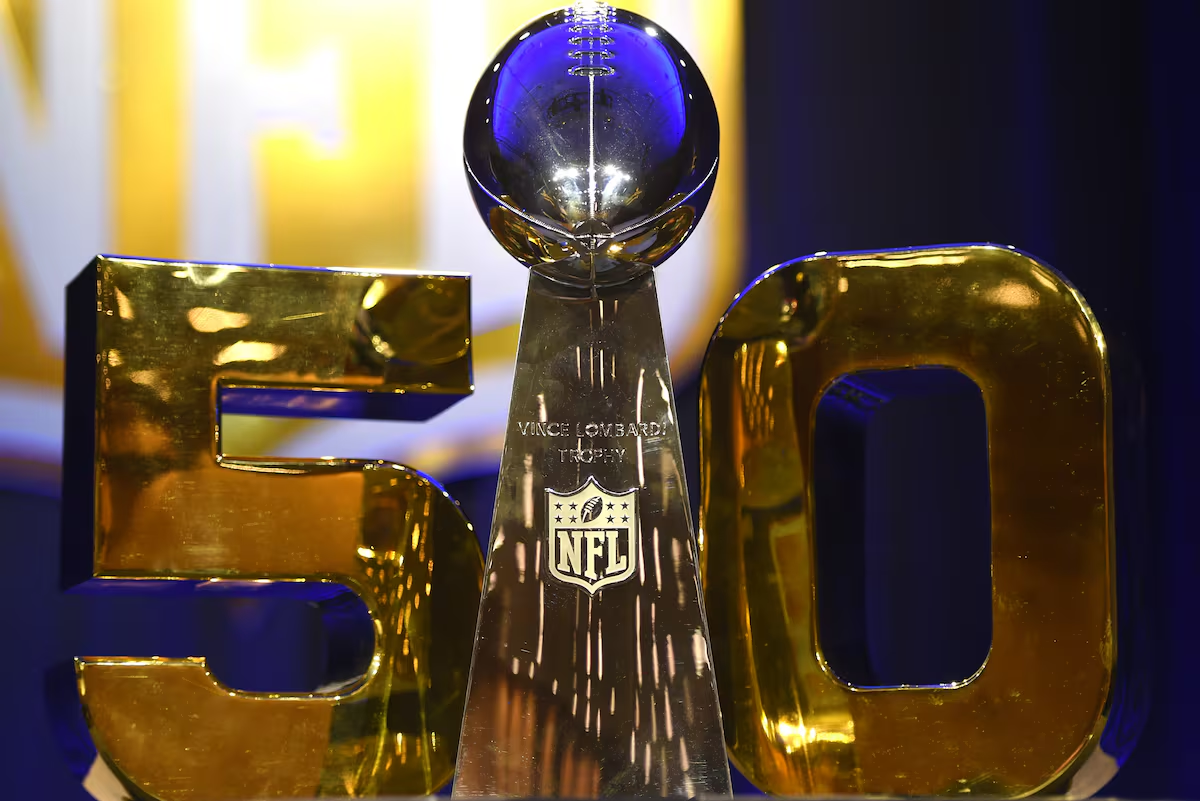
Super Bowl 50, held on February 7, 2016, at Levi’s Stadium in Santa Clara, California, marked a significant milestone in NFL history. It was the 50th annual championship game of the National Football League (NFL), and its importance extended beyond just being a football game. Super Bowl 50 celebrated the league’s long-standing tradition and provided a platform for iconic performances, memorable commercials, and stunning halftime shows. Its implications extended into discussions about sports culture, viewership numbers, and the future of the NFL.
The Game: Panthers vs. Broncos
The matchup featured the Carolina Panthers and the Denver Broncos. The Panthers, led by MVP quarterback Cam Newton, entered the game with a 15-1 record, making them the favorites. In contrast, the Broncos, under the leadership of veteran quarterback Peyton Manning, aimed for a second championship to cap off an illustrious career. The game was closely watched, attracting over 111 million viewers, making it one of the most viewed broadcasts in US history.
As the game unfolded, it became evident that the Broncos’ defense, particularly linebacker Von Miller, would dictate the pace. The Broncos’ defensive prowess was too much for the Panthers, leading to a 24-10 victory for the Broncos. Miller’s two sacks and interception earned him the Super Bowl MVP award, solidifying his place in football history.
The Halftime Show and Commercials
Super Bowl 50 also welcomed a high-profile halftime show featuring Coldplay, along with guest performances from Beyoncé and Bruno Mars. The vibrant, colorful performance engaged millions and was met with critical acclaim, illustrating the halftime show’s importance as a cultural event equal to the game itself.
The commercials during Super Bowl 50 became yet another hallmark of the event, with brands like Budweiser, Hyundai, and Tide launching memorable ads that resonated with audiences. Marketing experts note that these ads not only reflect the brands’ qualities but also the cultural zeitgeist, making the Super Bowl an important platform for innovation in advertising.
Conclusion
Super Bowl 50 stands as a landmark event in NFL history for several reasons. It celebrated a league that has continually evolved while maintaining its core fan base and popularity. The game showcased an intense battle on the field, unforgettable performances, and the influence of advertising in American culture. Looking forward, the legacy of Super Bowl 50 continues to impact not just the NFL but the entire landscape of American sports entertainment, setting standards for future championships to aspire to.