Introduction
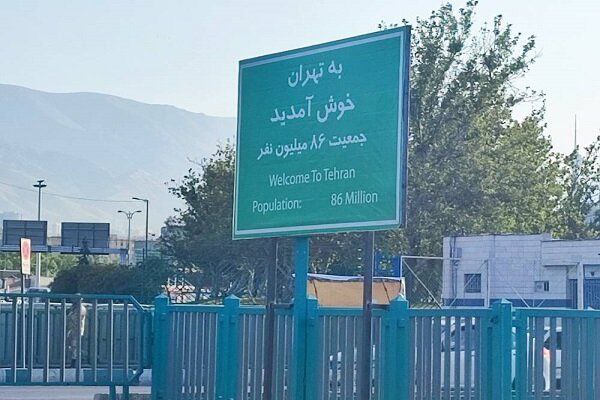
Tehran, the capital city of Iran, stands as a symbol of the nation’s rich history and turbulent present. With a population exceeding 8 million, it is not only the largest city in Iran but also a central hub for political, economic, and cultural activities. As the country navigates complex international relations and a rapidly changing socio-economic landscape, understanding Tehran is essential for grasping the broader context of Iran’s place in the world.
Historical Significance
Tehran’s history stretches back centuries, but it became the capital of Iran in 1796, chosen by Agha Mohammad Khan Qajar due to its strategic location. The city has since evolved from a modest settlement into a bustling metropolis. Various dynasties, including the Qajars and Pahlavis, have left their mark through architectural wonders such as Golestan Palace and the monumental Azadi Tower.
Modern Developments
In recent years, Tehran has seen significant urban development, with modern infrastructure projects aimed at improving the quality of life for its residents. The Tehran Metro, inaugurated in 1999, has expanded rapidly, alleviating traffic congestion in the heavily populated city. Additionally, the development of parks, cultural centers, and educational institutions reflects an effort to enhance the urban environment. The city’s contemporary culture blends traditional customs with modern influences, evident in its art, music, and cuisine.
Political Landscape
As the political heart of Iran, Tehran is home to various key government institutions, including the Presidential office and the Iranian Parliament. The city often serves as a backdrop for domestic and international political events. Recent tensions over nuclear negotiations and economic sanctions have escalated Tehran’s role in global discussions, highlighting its importance beyond regional boundaries.
Conclusion
Tehran remains a city in flux, constantly negotiating its identity amid historical legacies and contemporary challenges. The merging of tradition and modernity makes Tehran a unique destination for travelers and researchers alike. As Iran continues to assert its position on the global stage, understanding the dynamics of Tehran will be crucial for anyone interested in Middle Eastern affairs. With its rich cultural heritage and continued evolution, Tehran holds a significant place not only in Iran’s future but also in the fabric of global politics.