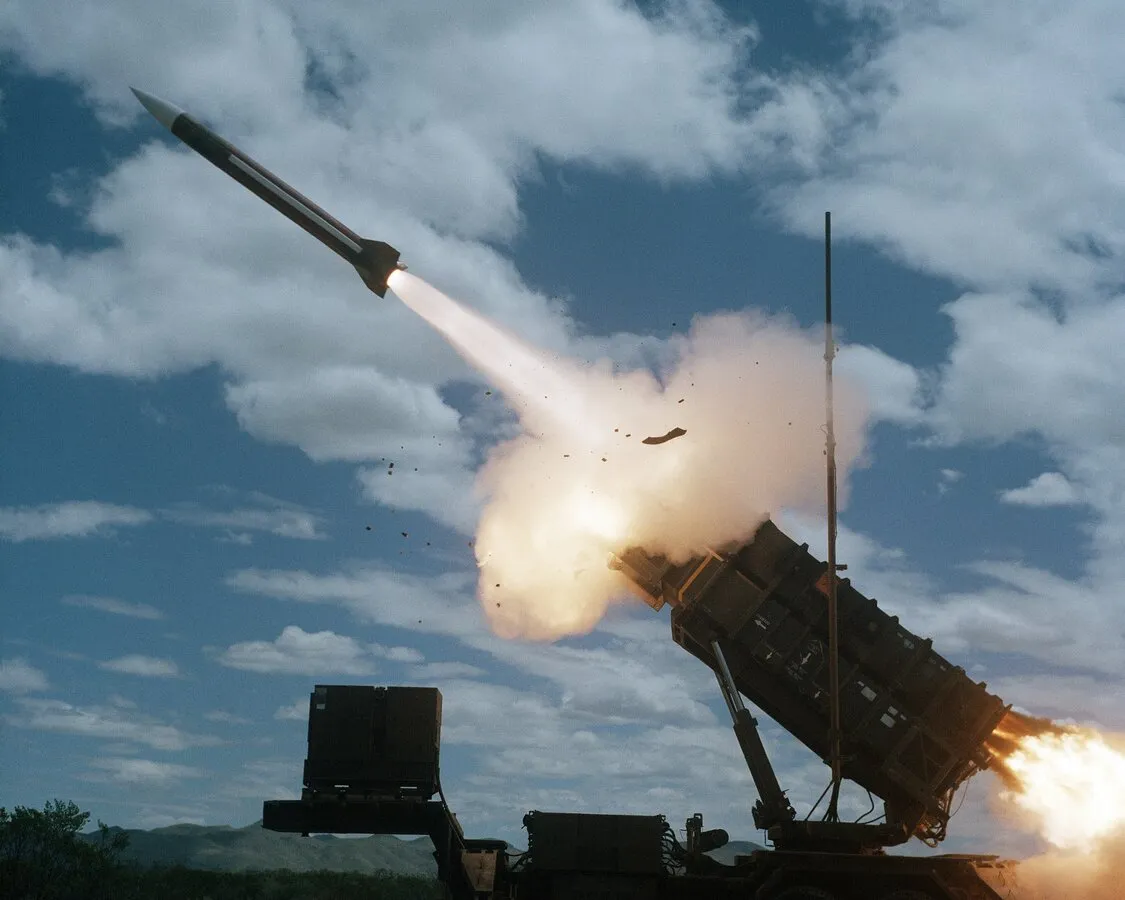
Gulf states have historically invested in advanced American missile defense systems to protect against Iranian threats.
However, recent developments have raised serious concerns about the effectiveness of the Terminal High Altitude Area Defense (THAAD) system.
As of early Tuesday, reports indicate that THAAD radars were directly hit during Iranian strikes in Jordan, Saudi Arabia, and the UAE.
This follows a series of aggressive actions by Iran, which has launched over 400 ballistic missiles and nearly 1,000 drones targeting US and allied assets in the Gulf.
Despite a $142 billion investment in THAAD and Patriot systems, the performance of these defenses has been disappointing. The THAAD system failed to intercept a significant number of incoming Iranian projectiles.
The Pentagon has relocated THAAD batteries from South Korea to the Middle East due to a shortage of interceptors—a situation that further complicates regional security.
What was sold as an ironclad shield has proven leaky at best. Observers are questioning whether this massive expenditure genuinely improved security.
Marco Rubio highlighted the disparity in production rates: “Iran was producing over 100 of these missiles a month. Compare that to the six or seven interceptors that can be built a month.” This stark contrast underscores the challenges facing Gulf states.
Additionally, intact THAAD components discovered in Syria have raised uncomfortable questions about the system’s reliability and real-world performance.
The UAE’s decision to stop releasing detailed success percentages for interceptions reflects growing concerns about operational effectiveness.
Details remain unconfirmed regarding future plans for these systems amidst rising tensions. However, military analysts are keenly observing how this situation unfolds as diplomatic relations between Saudi Arabia and Iran were restored in March 2023 after years of proxy conflict.