Introduction
The 4th Amendment to the United States Constitution is a cornerstone of American civil liberties, designed to protect citizens from unreasonable searches and seizures. Enacted in 1791 as part of the Bill of Rights, it has played a crucial role in defining the scope of government power and individual privacy. In today’s society, with rising concerns over surveillance and law enforcement practices, understanding the 4th Amendment is more relevant than ever.
Key Provisions of the 4th Amendment
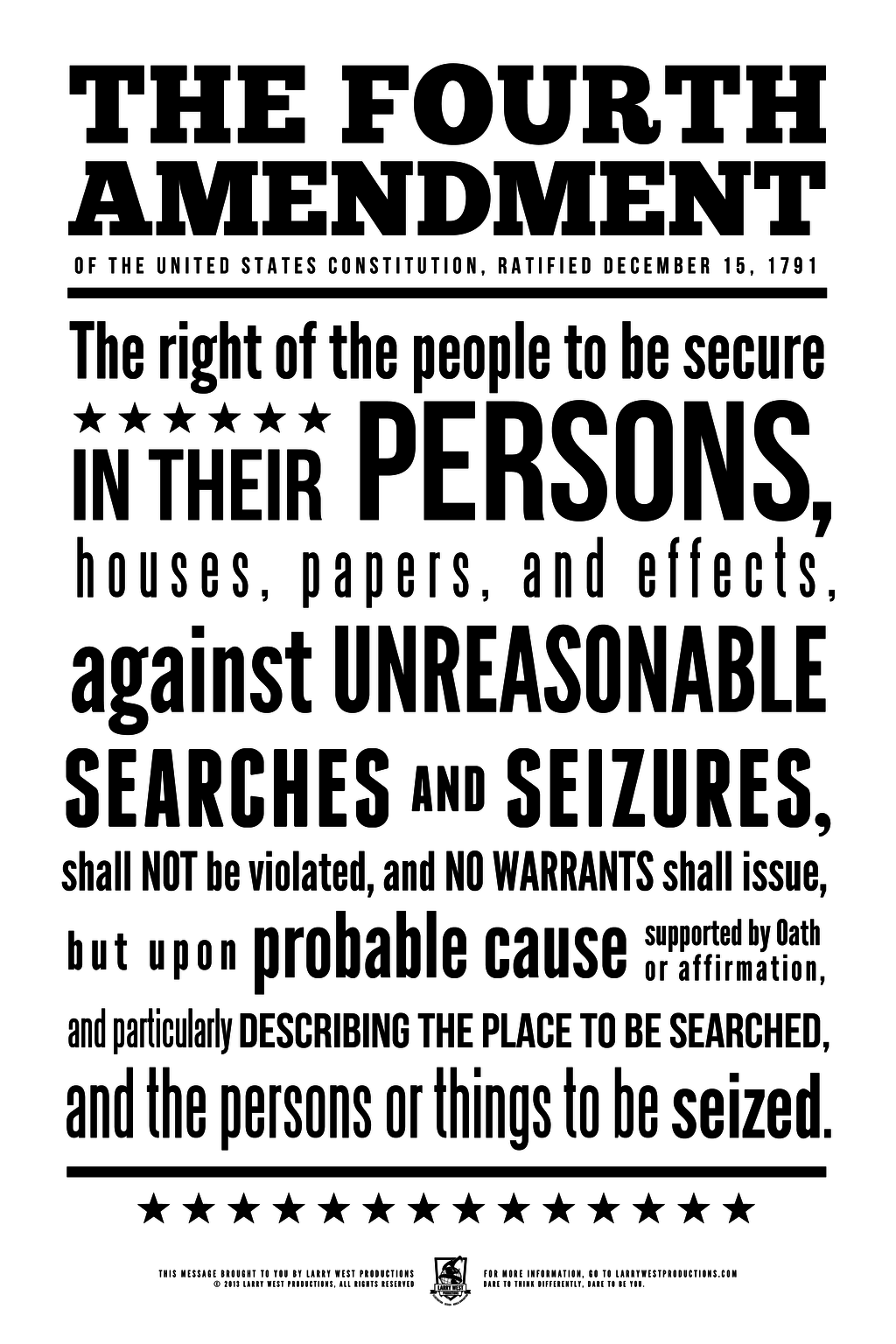
The 4th Amendment states: “The right of the people to be secure in their persons, houses, papers, and effects, against unreasonable searches and seizures, shall not be violated, and no Warrants shall issue, but upon probable cause, supported by Oath or affirmation, and particularly describing the place to be searched, and the persons or things to be seized.” This provision means that law enforcement must generally obtain a warrant based on probable cause before conducting searches or seizures.
Recent Court Cases and Their Impact
Several landmark Supreme Court cases have shaped the interpretation of the 4th Amendment. For instance, in Carpenter v. United States (2018), the Court ruled that law enforcement must obtain a warrant to access cell phone location data, reinforcing privacy rights in the digital age. Similarly, in Florida v. Jardines (2013), the Court ruled that using a drug-sniffing dog at a person’s front porch without a warrant was a violation of the 4th Amendment. These cases illustrate the ongoing evolution of privacy rights and the court’s role in balancing public safety and individual freedoms.
The Role of Technology and Privacy
The advancement of technology has further complicated 4th Amendment issues. With the rise of surveillance cameras, drones, and data collection techniques, questions about what constitutes “unreasonable searches” continue to arise. The widespread use of facial recognition technology and data collection by private companies raises concerns over who has access to personal information and how it can be used by law enforcement.
Conclusion
The 4th Amendment remains a vital protection of individual rights in the face of evolving law enforcement practices and technological advancements. As privacy concerns grow, it is crucial for citizens to be informed about their rights under the Amendment and how they can protect themselves against potential abuses. The ongoing legal debates and court cases surrounding the 4th Amendment highlight its significance in safeguarding personal freedoms and ensuring governmental accountability.