Introduction
The assassination of Shinzo Abe, Japan’s longest-serving Prime Minister, on July 8, 2022, shocked the world and sent ripples throughout the political landscape. As a major figure in Japanese and global politics, his death raised concerns over security protocols and sparked discussions regarding political violence in Japan, a nation known for its relatively low crime rates.
Details of the Incident
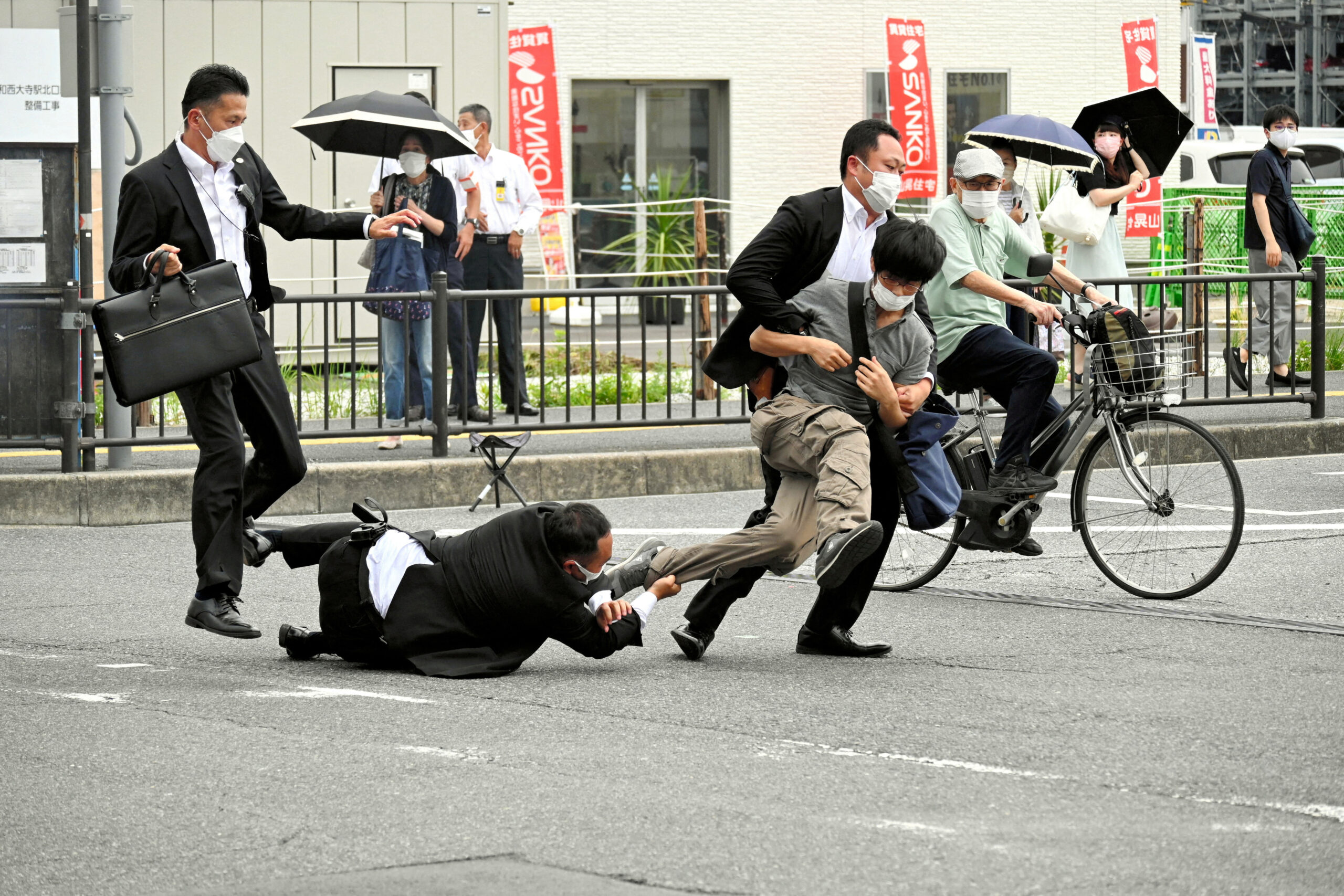
Shinzo Abe was delivering a campaign speech in the city of Nara when he was shot twice with a homemade firearm. The assailant, identified as Tetsuya Yamagami, was apprehended at the scene. Initial investigations revealed that Yamagami had a personal grievance against a religious group that he believed Abe supported, which he felt had negatively impacted his family. This motive highlighted the growing concern regarding the influence of such organizations in Japanese politics.
Reactions and Responses
The assassination triggered a wave of condemnation nationally and internationally. Leaders from various countries expressed their sorrow and solidarity with Japan. The event led to heightened security measures during the subsequent elections and discussions about the adequacy of Japan’s gun laws, which had previously been among the strictest in the world. In the wake of Abe’s death, Japan’s Justice Minister stated, “We must do everything to ensure this never happens again.”
There were also debates regarding the political atmosphere in Japan, with many analysts warning about the potential for increased political violence due to rising extremism.
Significance and Future Perspectives
The assassination of Shinzo Abe has significant implications for Japan’s political landscape, governance, and international relations. Abe was known for his “Abenomics” economic policies, attempts to boost Japan’s military capabilities, and foster strong alliances with countries like the United States. His death raises questions about the future of these policies and the stability of the ruling Liberal Democratic Party (LDP).
Moreover, the incident has prompted a reevaluation of political discourse in Japan, with many advocating for a culture of civil and respectful political discussions to reduce the potential for violence. In the long term, analysts suggest that Japan may see shifts in voter sentiment and a potential reassessment of the security measures surrounding political figures.
Conclusion
Shinzo Abe’s assassination reverberates beyond Japan’s borders, signaling challenges regarding political stability and security in democratic systems. As Japan navigates the aftermath of this tragic event, it faces critical decisions regarding its political landscape, social cohesion, and future governance. There remains a collective hope that a culture of violence will not take root in Japan’s political discourse, and that such tragedies will lead to meaningful reforms and discussions about political safety in a democratic society.