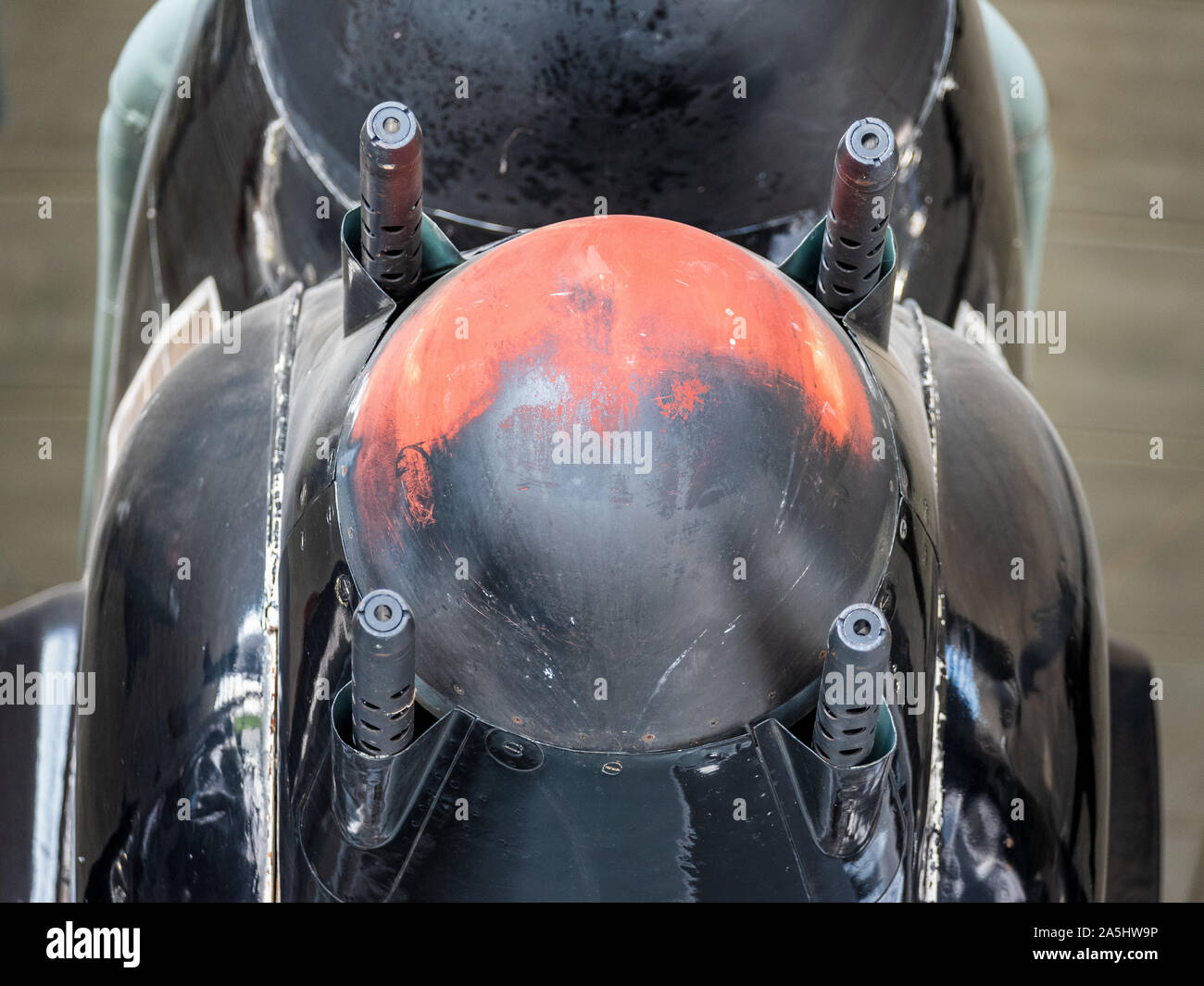
Introduction to the B52 Bomber
The B52 Stratofortress, developed by Boeing and introduced into the U.S. Air Force in 1955, remains one of the longest-serving military aircraft in history. With its iconic design and significant payload capacity, the B52 is a strategic asset for the United States, capable of delivering both conventional and nuclear ordnance. Understanding the B52’s importance sheds light on its role in military operations and deterrence strategies across decades.
Historical Context and Development
The development of the B52 occurred during the Cold War, a time marked by increasing tensions between the U.S. and the Soviet Union. Designed to replace the older B-36 Peacemaker, the B52 was built to carry out long-range bombing missions and to provide a counterforce against nuclear threats. Over the years, it saw numerous upgrades to enhance its performance, including advancements in avionics, radar, and weapon systems.
Key Features of the B52 Bomber
The B52 features a remarkable range and payload capability, able to carry up to 70,000 pounds of ordnance, including bombs, mines, and missiles. Its maximum range exceeds 8,800 miles without refueling, allowing for global strike capabilities. Additionally, the B52 has been adapted for various missions, including strategic bombing, close air support, and maritime operations.
Recent Deployments and Modernization
In recent years, the B52 has been involved in various military operations, including missions in Iraq and Afghanistan. Its ability to conduct precision strikes with significant payloads has made it invaluable in modern conflicts. The U.S. Air Force remains committed to keeping the B52 relevant, with modernization programs ensuring its capabilities remain up-to-date in the face of evolving threats.
Conclusion: The Future of the B52 Bomber
The B52 bomber continues to be a vital part of U.S. airpower, with plans to keep it operational until at least 2040. As geopolitical tensions rise and military technology evolves, the need for reliable long-range bombers like the B52 will persist, solidifying its place in military strategy. The continued investment in its capabilities not only emphasizes its historical significance but also prepares the U.S. to address future combat scenarios effectively.