Introduction
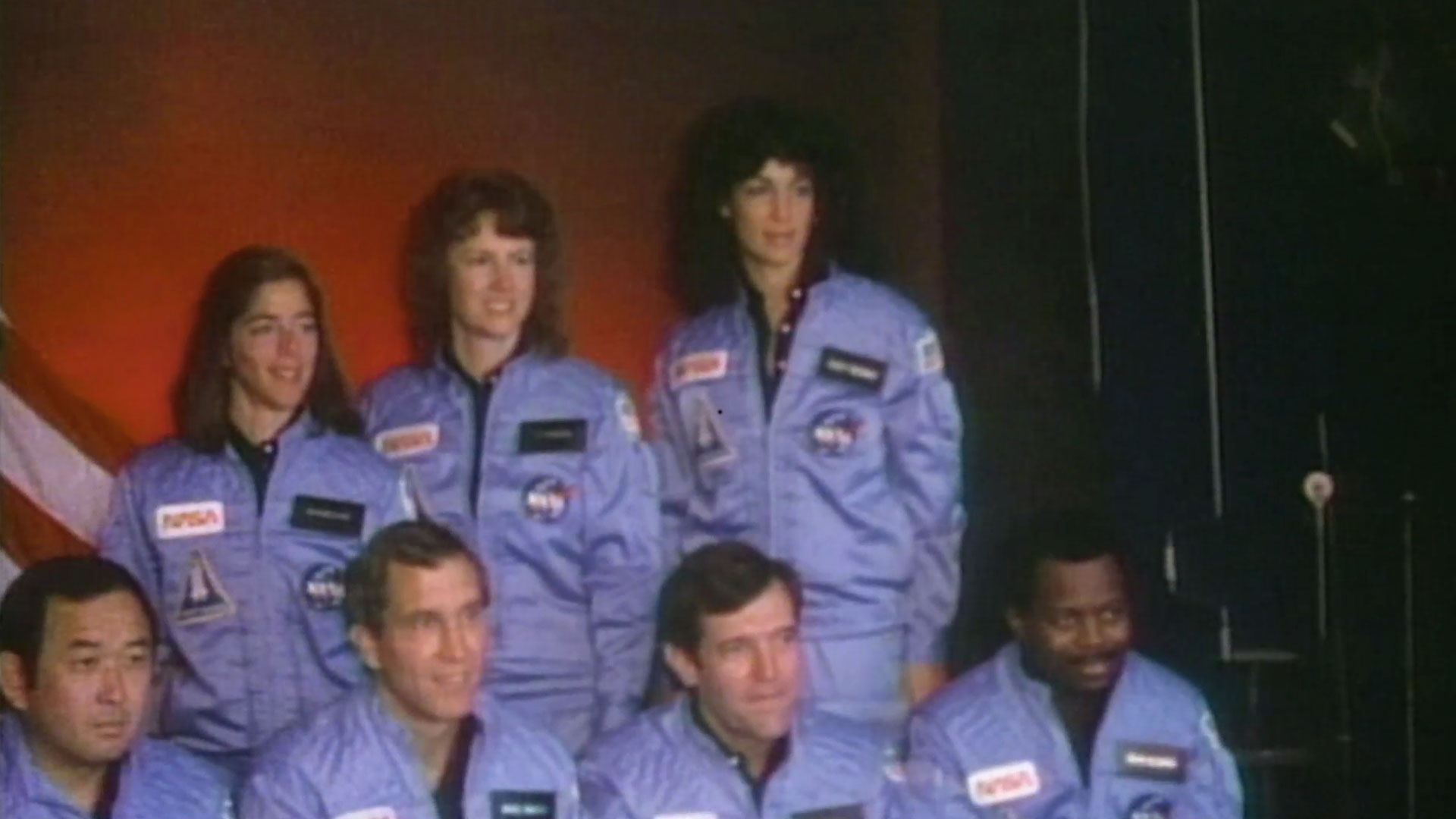
The Challenger explosion is one of the most significant and tragic events in the history of space exploration. On January 28, 1986, the Space Shuttle Challenger disintegrated just 73 seconds after liftoff, claiming the lives of all seven crew members aboard. This catastrophe not only shocked the nation but also raised critical questions about safety protocols in the burgeoning field of human spaceflight. The importance of this tragedy has led to extensive investigations, research, and improvements in aerospace safety.
The Incident
The Challenger was tasked with STS-51-L, which aimed to deploy a communications satellite and conduct scientific experiments. Tragically, the disaster unfolded shortly after launch, with the iconic image of the shuttle’s plume of smoke seared into the memories of millions. The investigation revealed that a failure in one of the O-rings in the solid rocket booster, exacerbated by uncharacteristically cold weather, was the primary cause of the explosion.
The Aftermath
The aftermath of the Challenger explosion brought forth a wave of national grief and introspection. The Rogers Commission was established to investigate the accident, leading to sweeping reforms in NASA’s safety protocols and management practices. Many of the recommendations revolved around improving communication and fostering a culture of safety within the organization.
Legacy and Significance
In the years since the tragedy, the legacy of the Challenger explosion has influenced not only NASA but also other organizations involved in human spaceflight. The event serves as a sobering reminder of the risks involved in exploring the final frontier. Educational initiatives, including the incorporation of the Challenger crew’s story in school curricula, ensure that the sacrifices made on that fateful day are never forgotten.
Conclusion
The Challenger explosion continues to resonate in discussions about space exploration, safety, and the balance between ambition and caution. As NASA prepares for new missions to Mars and beyond, the lessons learned from the tragedy remain integral to the evolution of space travel. For current and future generations exploring the cosmos, the Challenger serves as both a memorial and a call to uphold the highest standards of safety and inquiry in the name of science and human achievement.