Introduction
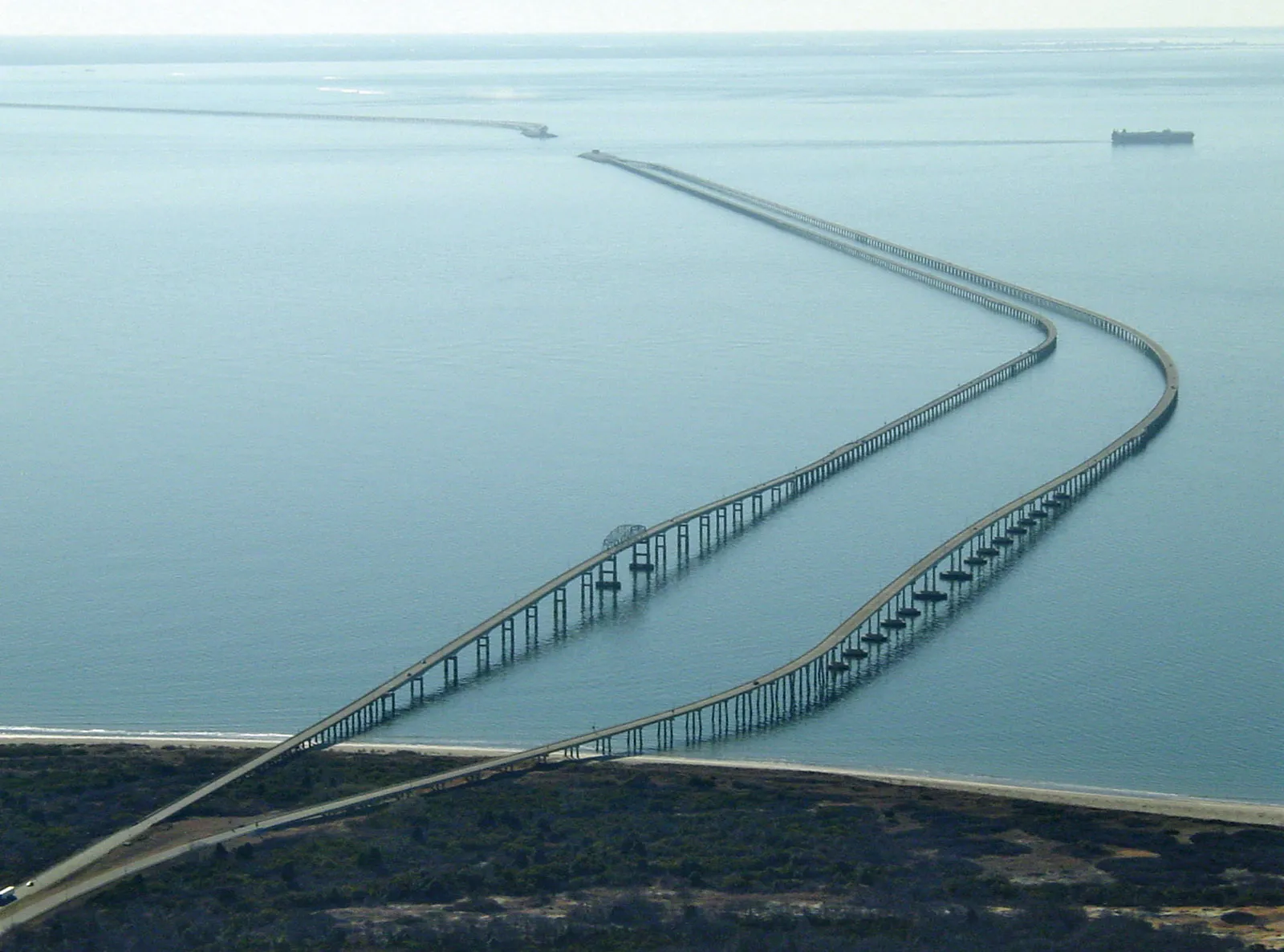
The Chesapeake Bay Bridge, an engineering marvel connecting the Eastern and Western shores of Maryland, plays a crucial role in local transportation and tourism. Since its opening in 1952, it has served as a vital corridor for both residents and visitors, facilitating commerce, fostering regional tourism, and offering stunning views of the Chesapeake Bay.
Historical Background
The idea for the bridge originated in the 1930s as a solution to congestion and the inconvenience of ferry crossings. With construction completed in 1952, the Chesapeake Bay Bridge stretched 4.3 miles and was the longest continuous over-water bridge in the world at the time. Its completion transformed travel and trade in the Mid-Atlantic region, significantly reducing travel times for the hundreds of thousands who use it each year.
Current Events and Developments
As of 2023, the Chesapeake Bay Bridge continues to be a critical asset for the state. Recent reports indicate an increasing trend in traffic, with over 25 million vehicles crossing each year, prompting discussions about infrastructure upgrades and maintenance. In addition, Maryland transportation officials are exploring options to enhance safety and accessibility through better signage and the expansion of traffic management systems.
Environmental concerns also play a significant role in ongoing discussions. The Maryland Transportation Authority has initiated programs aimed at minimizing the ecological impact of the bridge on the local marine life and surrounding habitats. In 2022, they announced plans for environmental assessments to ensure the bridge’s longevity while protecting the unique Chesapeake Bay ecosystem.
The Bridge’s Economic and Cultural Impact
Economically, the bridge has had a profound effect on the surrounding areas by boosting tourism. The picturesque views of the Bay attract visitors to activities ranging from sailing to fishing and historical sightseeing. Additionally, towns such as Annapolis and Kent Island have benefitted from increased business opportunities due to their accessibility.
Conclusion
The Chesapeake Bay Bridge is not just a crucial infrastructure project; it symbolizes Maryland’s identity and connection to its natural beauty. As we look to the future, the ongoing maintenance, environmental considerations, and potential upgrades will be key to preserving this iconic structure for generations to come. Its significance is not only measured in miles and vehicles but also in the deep connections it forges between communities, cultures, and the Chesapeake Bay itself.