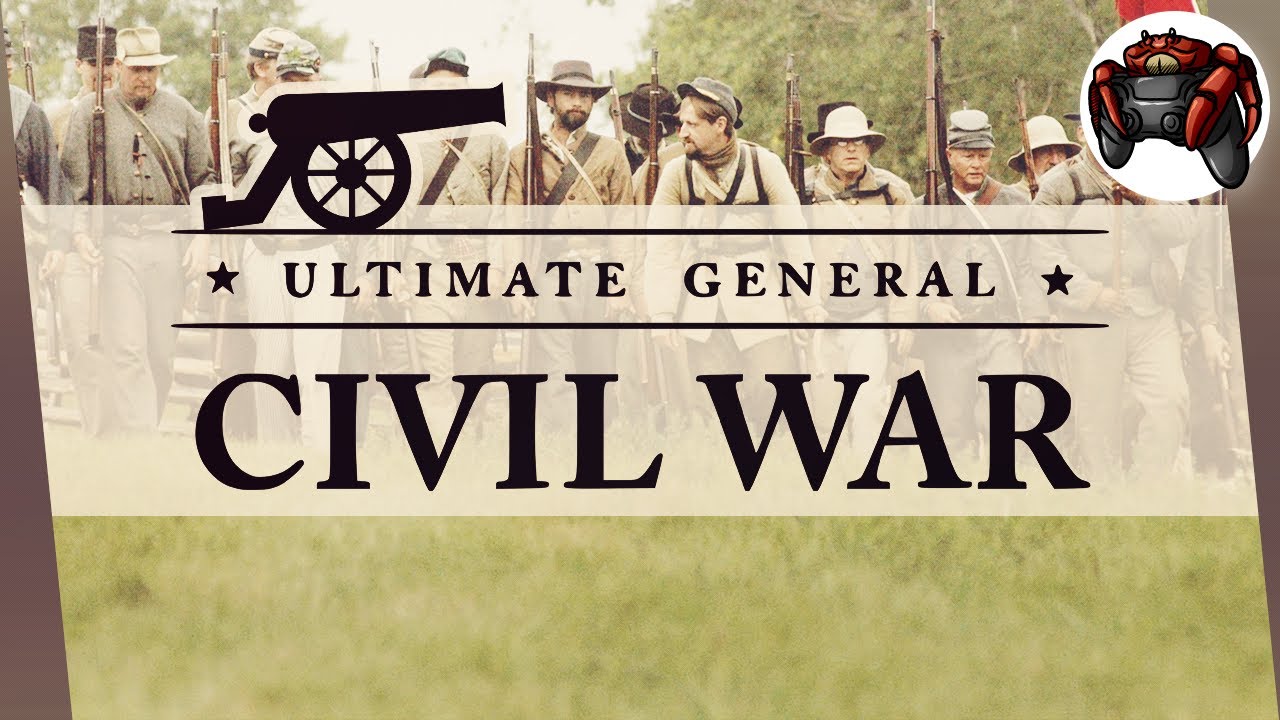
Introduction
The American Civil War, fought from 1861 to 1865, remains one of the most significant events in United States history. This conflict between the Northern states (the Union) and the Southern states (the Confederacy) not only reshaped the nation but also addressed critical issues such as slavery and states’ rights. Understanding the Civil War is essential for grasping the complexities of modern America, as its consequences continue to influence the societal and political landscape today.
Key Events Leading to the Civil War
The origins of the Civil War can be traced back to a variety of factors, including economic, political, and social tensions between the North and South. The expansion of slavery into new territories, the rise of abolitionist movements, and significant legislative acts like the Kansas-Nebraska Act (1854) and the Dred Scott decision (1857) heightened tensions. The election of Abraham Lincoln in 1860, viewed as a threat by Southern leaders due to his anti-slavery stance, triggered the secession of several Southern states.
The War Itself
The Civil War officially began in April 1861 with the Confederate attack on Fort Sumter in South Carolina. Over the course of four brutal years, battles such as Gettysburg, Antietam, and Vicksburg defined the conflict, resulting in staggering casualties—approximately 620,000 to 750,000 soldiers died. The war introduced significant military innovations and strategies, including trench warfare and total war tactics. President Lincoln’s Emancipation Proclamation in 1863 marked a turning point, transforming the conflict into a fight for freedom.
Aftermath and Legacy
The Civil War ended in April 1865 with the surrender of General Robert E. Lee at Appomattox Court House. The war’s conclusion led to the Reconstruction era, a complex and contentious period aimed at integrating formerly enslaved people and the Southern states back into the Union. Legislative reforms passed during Reconstruction, such as the 13th, 14th, and 15th Amendments, aimed to secure rights for newly freed African Americans but faced substantial opposition.
Conclusion
The Civil War was a watershed moment in American history that addressed deep-seated issues regarding slavery and federal authority. Its legacy is evident in ongoing discussions about civil rights, equality, and national unity. Understanding the Civil War helps illuminate the challenges that persist in society today. It serves as a reminder of the continuous struggle for justice and the importance of recognizing the historical roots of current issues.