Introduction
The iconic Air Force One, the official aircraft of the President of the United States, is not just a means of transportation; it’s also a symbol of American prestige and power. Recent discussions have arisen regarding former President Donald Trump’s proposed redesign of the paint scheme on this revered aircraft. This topic holds considerable importance as it reflects not only a personal aesthetic choice but also the broader implications of how leaders communicate their identities and values through national symbols.
Details of the Proposal
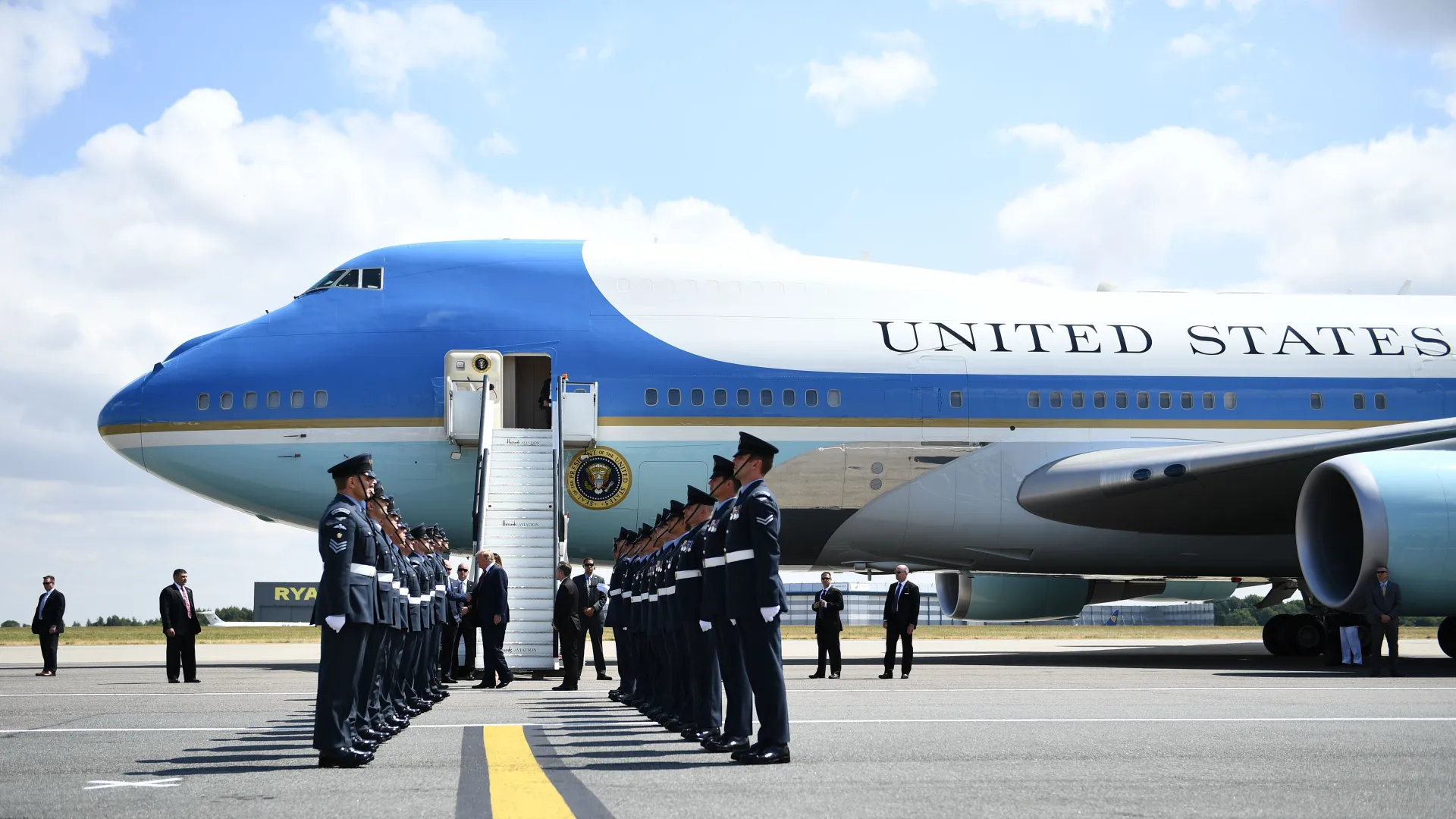
During his presidency, Trump expressed a desire to revamp the traditional color scheme of Air Force One, which prominently features a light blue color associated with President John F. Kennedy. Trump’s vision included a bolder, red, white, and blue theme, suggesting that the aircraft should embody a stronger sense of national pride. The proposal sparked significant debate among political commentators, designers, and the general public, with opinions divided on whether such changes would honor the aircraft’s heritage or undermine it.
The Reaction
Critics of the redesign pointed out that the classic paint scheme has become synonymous with American leadership over the decades. They argue that Air Force One’s colors, blue and white, represent peace and stability, contrasting sharply with Trump’s more aggressive color choice. Proponents of change, however, believe that a new look could revitalize the image of the presidency and align it more closely with contemporary political sentiments.
Current Status and Future Implications
As of now, Air Force One still sports its original color scheme following the end of Trump’s presidency. The Biden administration has yet to endorse any significant changes to the aircraft’s paint job, focusing instead on restoring a sense of normalcy within the executive branch. Meanwhile, discussions about the redesign reflect larger conversations about branding in politics and the ways that public figures use symbols to convey their messages.
Conclusion
The debate over Trump’s proposed paint job for Air Force One serves as a microcosm of the broader cultural and political landscapes in the United States. It illustrates how even the design of a national symbol can provoke intense opinions and impact public sentiment. As we move forward, it remains to be seen whether future administrations will reconsider the aesthetics of Air Force One or uphold its historical appearance, a decision that will resonate with future generations regarding how they view presidential traditions and innovation.