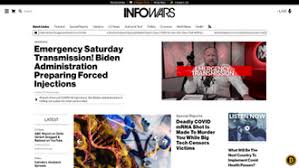
Introduction: The Relevance of Infowars
Infowars, a far-right media organization founded by Alex Jones in 1999, has been a polarizing force in American media. Known for its conspiracy theories and unorthodox views, Infowars has gained a substantial following, particularly amid the rise of digital media. Its influence on public discourse and political opinions has sparked debates about misinformation, freedom of speech, and the responsibilities of news outlets. With ongoing legal battles and controversies, understanding Infowars’ position in the current media landscape is vital for comprehending contemporary American society.
Recent Events and Controversies
In recent months, Infowars has faced significant legal challenges, most notably a defamation lawsuit stemming from false claims regarding the Sandy Hook Elementary School shooting. In 2022, Alex Jones was ordered to pay nearly $1 billion in damages to the families of the victims for spreading falsehoods that questioned the reality of the tragedy. This landmark ruling brought attention not only to the issue of misinformation but also to the potential consequences for media figures who propagate such narratives.
Amid these challenges, Infowars continues to operate and adapt. In 2023, it has started to shift some of its content to platforms less reliant on traditional advertising, such as subscription services and specialized social media outlets. This strategy is designed to bypass mainstream media restrictions and engage directly with its audience. The ramifications of this evolution are significant, as it represents a trend among fringe media outlets impacting mainstream discourse.
The Impact of Infowars
The rise of Infowars has laid bare the ongoing battle over information and misinformation in the digital age. By bypassing traditional media channels, Jones and his affiliate networks have created an environment where conspiracy theories can flourish, leading to polarization within the public. Supporters argue that Infowars provides a critical counter-narrative to what they perceive as mainstream media bias, while critics warn of the dangers posed by unchecked conspiracy theories.
Conclusion: Understanding the Future
As controversies surrounding Infowars continue to unfold, it remains crucial for media consumers to be discerning about the information they consume. The case of Infowars emphasizes the power and dangers of misinformation in a rapidly evolving media landscape. Going forward, it will be important to monitor how platforms that disseminate information respond to the growing call for transparency and accountability in the digital sphere.