Introduction
The title of the “richest person in the world” is not just a matter of wealth but reflects the shifting dynamics of global economics and investment trends. As of October 2023, the competition for this title has intensified, illustrating the changing landscape in technology and finance. This topic holds significant relevance for investors, business leaders, and anyone interested in understanding economic power structures today.
Current Wealth Leader
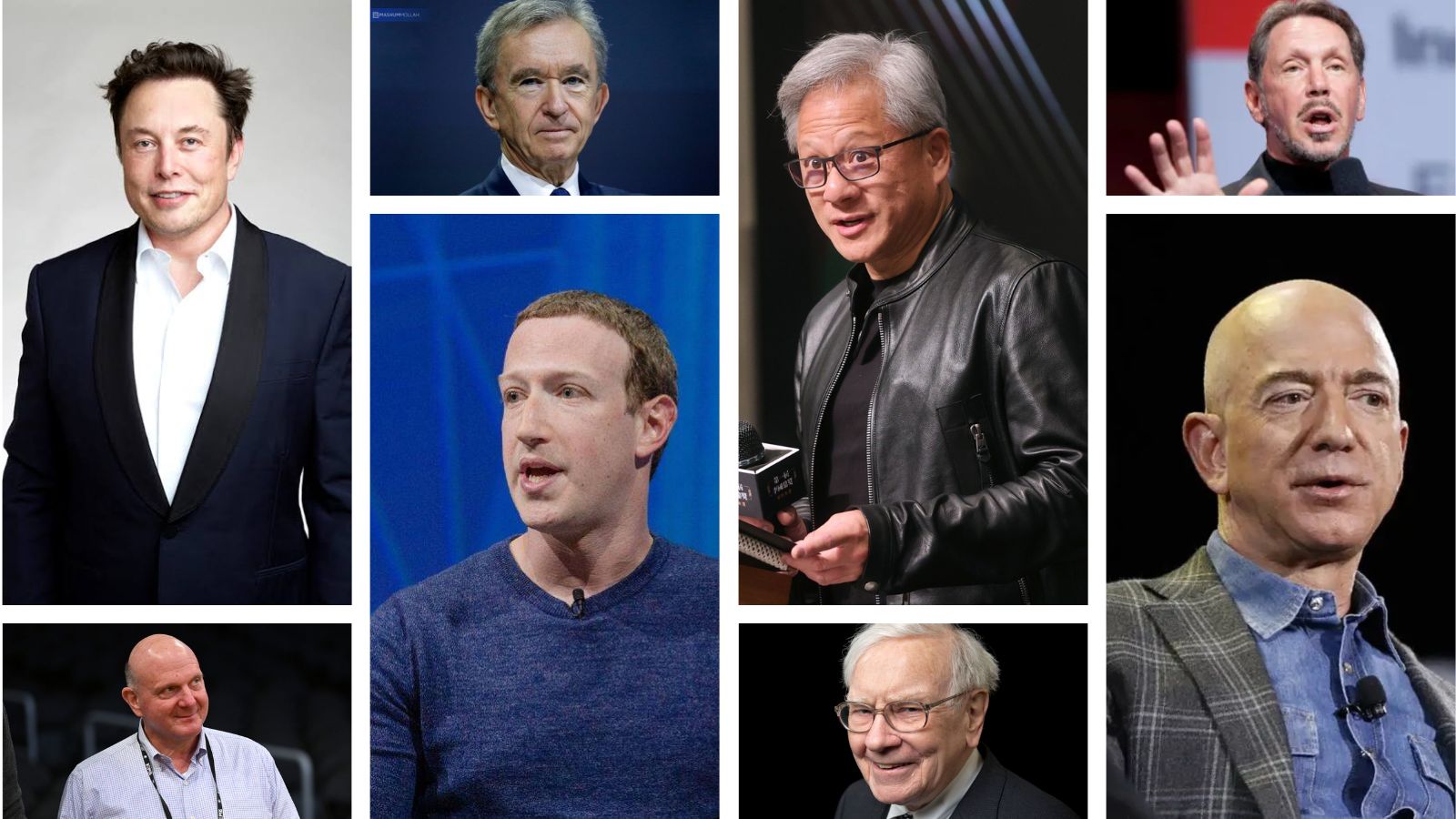
As of this month, Bernard Arnault, the CEO of LVMH (Moët Hennessy Louis Vuitton), is once again crowned as the richest person in the world, with an estimated net worth surpassing $230 billion. This achievement comes on the back of a record performance by his luxury goods empire, which has thrived amid a resurgence in global travel and consumer spending. Despite the volatile stock market, LVMH’s diverse portfolio, which includes brands like Louis Vuitton, Dior, and Sephora, has proven resilient.
Key Events Leading to Wealth Surge
Arnault’s rise in fortune can be attributed to several key events. Firstly, the luxury market has seen unprecedented growth, particularly in the Asia-Pacific region, where affluent consumers are expanding. Secondly, strategic acquisitions, including integrating disruptive brands into the LVMH family, have solidified Arnault’s position at the top. Furthermore, with sustainability becoming a more significant focus, the luxury sector’s adaptability to innovative practices has provided a competitive edge.
Comparative Analysis
Following Arnault is Elon Musk, CEO of Tesla and SpaceX, whose net worth has fluctuated around $215 billion. Musk’s wealth relies heavily on the performance of Tesla’s stock, which remains volatile as it grapples with market competition and production challenges. Other notable contenders include Amazon’s Jeff Bezos and Microsoft’s co-founder Bill Gates, though they have not matched Arnault’s recent wealth surge.
Conclusion
The title of the richest person in the world reflects more than monetary wealth; it highlights the intersection of entrepreneurship, market trends, and global economic conditions. As consumers continue to embrace luxury goods, Arnault’s LVMH is poised for more growth, signaling a long-term trend that may well keep him on top. Understanding these dynamics can offer valuable insights into investment opportunities and economic indicators, showing how wealth distribution is evolving in today’s society. This ongoing narrative around wealth is crucial for readers keen on following financial markets and the intricacies of global commerce.