Introduction
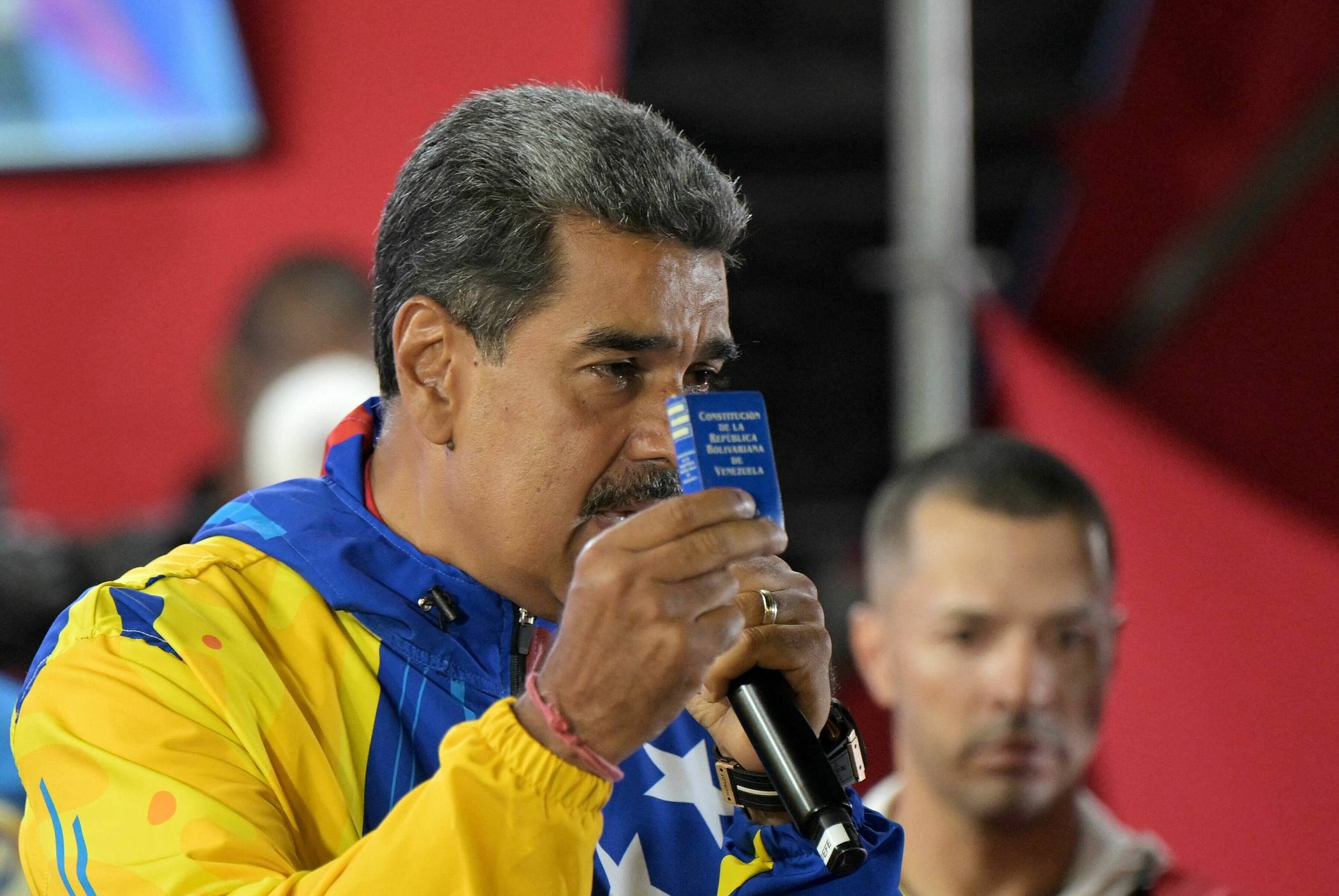
The leadership of Nicolás Maduro in Venezuela has become a focal point of international attention due to the country’s severe economic crisis and political turmoil. As a nation rich in oil resources, Venezuela has faced significant challenges over the past decade, leading to widespread shortages of food, medicine, and basic services. Understanding the dynamics of Maduro’s regime is crucial for anyone following global politics in Latin America.
Current Economic Conditions
Venezuela’s economy has struggled under Maduro, who has been in power since 2013. As of 2023, inflation rates have remained among the highest in the world, with the International Monetary Fund (IMF) estimating inflation at over 300% for the year. The country’s GDP has contracted significantly, leading to widespread poverty, with more than 90% of the population living in conditions of extreme deprivation. Oil production, which is the backbone of the Venezuelan economy, plummeted due to mismanagement, U.S. sanctions, and a lack of investment in infrastructure.
Political Climate
Politically, Maduro’s government has faced significant challenges as well. Allegations of authoritarianism, human rights abuses, and electoral fraud have marred his administrations. The opposition, led by figures such as Juan Guaidó, has gained international support, particularly from the United States and several European nations. However, despite numerous attempts to displace Maduro, he remains entrenched in power, with military support being a critical factor in his ability to hold on to the presidency.
Recent Developments
In 2023, there have been some signs of potential change in Venezuela’s political landscape. Recent negotiations between the Maduro government and opposition leaders have sparked hope for dialogue aimed at a peaceful resolution to the political crisis. Additionally, the easing of some international sanctions has allowed for a slight recovery in oil production and increased foreign investment, potentially signaling a path toward economic stabilization.
Conclusion
The situation in Venezuela under Nicolás Maduro continues to be fraught with challenges, but recent developments may indicate a shift towards greater political dialogue and economic recovery. Readers interested in global politics should monitor these ongoing changes closely, as they could have significant implications not only for Venezuela but for the entire Latin American region. As Maduro navigates both domestic pressures and international relations, the future of Venezuela hangs in the balance, and outcomes remain uncertain.