Introduction
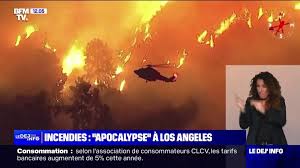
Incendies, the French term for wildfires, have become a pressing global concern over the past years, particularly with the increasing frequency and severity connected to climate change. As the planet warms, the conditions for these devastating fires are becoming easier to achieve, leading to catastrophic consequences for both the environment and communities. Understanding the causes, impact, and response strategies surrounding incendies is essential for preparing and mitigating future disasters.
Recent Wildfire Events
In 2023, multiple countries have faced significant wildfire outbreaks, including the United States, Canada, Greece, and Australia. In Canada, wildfires have burned over 10 million hectares of land, marking the worst ever season recorded. These fires have resulted in the evacuation of thousands and the destruction of both flora and fauna, alongside significant health risks from smoke inhalation. In the United States, states like California and Oregon are bracing for another challenging fire season, as drought conditions continue to exacerbate risks.
In Europe, Greece experienced catastrophic wildfires in mid-summer, primarily fueled by extreme heat and strong winds. The fires led to loss of life and devastating impacts on local economies that depend on tourism and agriculture. As seen this year, the socio-economic ramifications of such events are profound, often requiring significant governmental and humanitarian responses.
The Impact of Incendies
The implications of incendies extend beyond immediate property damage or loss of life. They contribute significantly to air pollution and greenhouse gas emissions, exacerbating climate change. Additionally, the ecological effects include loss of biodiversity and disruption of ecosystems that are crucial for maintaining environmental balance.
Moreover, the psychological toll on affected communities cannot be overlooked. Residents often experience long-term mental health challenges as they contend with the aftermath of such catastrophic events, including displacement and loss of livelihood.
Conclusion
As climates continue to shift, incidences of incendies are likely to rise, demanding urgent action and preparation. Strategies include increased investment in forest management, emergency preparedness, and public awareness campaigns to promote safety during high-risk periods. Research and technology development aimed at better predicting fire behavior and improving response can help communities reduce vulnerability in the face of these natural disasters. Collectively, society must embrace proactive measures, ensuring that the devastating impact of incendies is significantly mitigated in the future.