Introduction
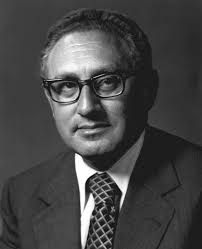
Henry Kissinger, the former U.S. Secretary of State and National Security Advisor, has played a pivotal role in shaping modern U.S. foreign policy for decades. Known for his intricate diplomacy and controversial decisions, Kissinger’s influence extends beyond his official tenure, making him a key figure in American and global political history. His recent passing on November 27, 2023, has reignited discussions about his complex legacy and the impact of his policies on contemporary international relations.
Kissinger’s Diplomatic Career
Kissinger was born on May 27, 1923, in Germany and immigrated to the United States in 1938. He became a prominent academic before joining the government under President Richard Nixon. One of his most notable contributions was the policy of détente, aimed at easing Cold War tensions between the U.S. and the Soviet Union. He was influential in opening diplomatic relations with China, leading to President Nixon’s historic visit in 1972, which redefined the global balance of power.
However, Kissinger’s legacy is marred by controversy. His involvement in the Vietnam War, particularly the secret bombings in Cambodia, sparked significant debate regarding U.S. military interventions. Furthermore, his role in supporting authoritarian regimes during the Cold War, such as in Chile, has led many historians to scrutinize his ethical standing and decision-making processes.
Impact on Contemporary Politics
Even after his official retirement, Kissinger remained a prominent commentator on international relations, often criticized by human rights advocates but revered by some political leaders and strategists. His advocacy for realpolitik—a pragmatic approach to politics focused on practical objectives rather than ideological or moral considerations—continues to influence foreign policy debates today. The rise of China as a global power, ongoing tensions in the Middle East, and the complexities of Russia’s relations with the West have prompted leaders to revisit Kissinger’s ideas on diplomacy and international strategy.
Conclusion
The recent discussions surrounding Henry Kissinger’s life and career reflect the indelible mark he left on U.S. foreign policy. As the world grapples with evolving geopolitical challenges, understanding Kissinger’s approach to diplomacy and his controversial decisions offers valuable insights into contemporary international relations. His legacy will continue to serve as a focal point for analysis and debate among scholars, policymakers, and the public alike, providing lessons on the complexities of leadership in global affairs.