Introduction
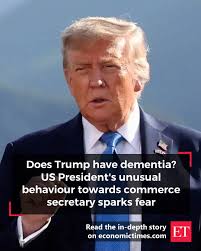
The conversation around former President Donald Trump and dementia has gained significant attention as mental health and cognitive functioning increasingly become public concerns. This topic, while sensitive, holds substantial importance in the realm of politics, considering how mental acuity can influence leadership capabilities and public trust. As discussions about mental health become more open, examining the implications of cognitive decline in prominent figures like Trump is essential for both political analysis and social awareness.
Background on Donald Trump’s Health
During his presidency, there were several discussions regarding Donald Trump’s health, including his mental state. Speculation regarding his cognitive health began to surface, particularly after his performance in various public appearances and interviews. The discussion intensified when he underwent a cognitive assessment in 2018, achieving a perfect score, which the medical team attributed to his fitness.
Recent Developments and Concerns
In recent months, various commentators and analysts have raised concerns regarding Trump’s cognitive health amid his ongoing involvement in politics, particularly with his candidacy for the 2024 presidential election. Some critiques have focused on changes in his public speaking, behavior, and decision-making processes, igniting discussions online and in media outlets about the possibility of cognitive decline, including dementia. Despite these claims, there has been no official medical assessment or public disclosure about his mental health in recent times, leaving many to speculate without solid evidence.
Public Perception and Political Impact
The portrayal of Trump in relation to dementia symbolizes broader issues in political discourse, such as ageism and the stigma surrounding mental health. Advocates argue that it’s critical to discuss health issues openly to remove the taboo associated with cognitive decline, while others warn against using these discussions to discredit or undermine political rivals. Furthermore, the impact of a candidate’s mental health on voter perception is significant; as such debates continue, they could shape public opinion and potentially affect election outcomes.
Conclusion
As the conversation regarding Trump and dementia unfolds, it emphasizes a need for sensitivity and discernment in political discussions. Addressing mental health openly can lead to greater understanding and empathy, but it can also evoke partisan divides and misinformation. Moving forward, it’s vital for voters and the media to critically evaluate claims regarding cognitive health in political figures, ensuring that such analyses remain grounded in fact and respectful discourse, while also considering the implications they have on leadership and governance.