Introduction to Daylight Savings Time
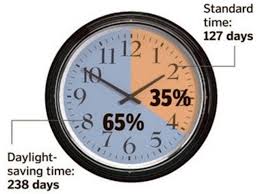
Daylight Savings Time (DST) is the practice of setting the clock forward by one hour during warmer months to extend evening daylight. While the transition can be beneficial, the end of DST often brings confusion and requires adjustments in daily routines. As we approach November, millions across the United States prepare for the twice-yearly tradition of setting their clocks back, marking the end of DST.
When and Why Daylight Savings Time Ends
This year, Daylight Savings Time ends on November 5, 2023, at 2:00 AM local time. At this point, clocks will be set back one hour, returning to standard time. The main goal of DST is to make better use of daylight and conserve energy, but the transition back to standard time can lead to various challenges for individuals and businesses alike.
Health Impacts and Adjustments
Healthcare professionals often warn about the potential health effects associated with the end of DST. The sudden shift in time can disrupt sleep patterns, leading to increased fatigue and other problems like mood swings and difficulty concentrating. Studies have indicated that the week following the end of DST can correlate with a rise in heart attacks and accidents due to sleep deprivation.
Effects on Daily Life
For individuals, the shift back to standard time means that evenings will become darker earlier, impacting outdoor activities and leisure time. For businesses, especially those reliant on traffic during evening hours, the change can lead to reduced customer presence as daylight fades. The tourism and hospitality sectors, known to thrive during daylight hours, may also experience ebbing revenues once clocks are set back.
Looking Ahead
The debate surrounding the relevance of Daylight Savings Time continues, with policymakers and the public discussing whether to abolish the practice altogether. Some states, including Florida and California, have proposed legislation to remain on daylight time year-round. This year’s transition marks another chapter in the continuing dialogue about how daylight hours can be best utilized.
Conclusion
As we prepare to adjust our clocks and routines for the end of Daylight Savings Time, it is important to consider its effects on our health and daily activities. Staying mindful of these changes can help ease the transition. Furthermore, discussions about the future of DST may prompt changes that could ultimately benefit society more broadly. Whether you embrace this tradition or look for ways to avoid it, understanding the implications of the end of daylight savings time is essential for making informed choices.