Introduction
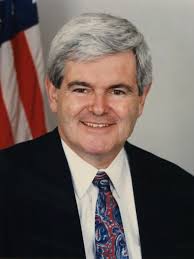
Newt Gingrich, a prominent figure in American politics, has left a lasting legacy through his roles as a congressman, Speaker of the House, and a presidential candidate. His influence continues to shape the Republican Party and the broader political landscape. As political divisions deepen and party identities evolve, understanding Gingrich’s contributions and rhetoric provides valuable insights into current political dynamics.
Career Overview
Newt Gingrich was born on June 17, 1943, in Harrisburg, Pennsylvania. He rose to national prominence during the 1994 midterm elections when the Republican Party capitalized on growing discontent with the Democratic majority in Congress. As part of this campaign, Gingrich introduced the “Contract with America,” a bold agenda promising reforms that appealed to a wide swath of voters. Winning the Speakership of the House, he led a Republican revolution that significantly impacted American governance.
Key Contributions and Policies
During his tenure as Speaker from 1995 to 1999, Gingrich pushed for a range of conservative reforms, including welfare reform, tax cuts, and a focus on diminishing the federal deficit. His legislative strategies and aggressive stance often polarized opinions, raising both strong support and fierce opposition. Critics argue that his combative style exacerbated partisan divides, while supporters laud him for catalyzing the political shift toward conservative governance.
Post-Congressional Influence and Current Work
After leaving Congress, Gingrich remained active in politics and public discourse, becoming a prolific author and political commentator. His work as a consultant and strategist has allowed him to influence many Republican campaigns and policies, particularly in shaping the party’s stance on key issues like healthcare, immigration, and economic policies.
In recent years, Gingrich has been vocally supportive of former President Donald Trump. His efforts to bolster Trump’s vision have been both praised and criticized, exemplifying the ongoing debate over the direction of the Republican Party. Electing to embrace Trump’s populist approach signifies a continuing evolution within Republican strategies driven by grassroots movements.
Conclusion
Newt Gingrich’s impact on American politics cannot be overstated. His distinctive approach to governance, characterized by bold ideas and a combative style, laid the groundwork for future Republican strategies. As the U.S. navigates an increasingly divided political climate, Gingrich’s legacy prompts reflection on the necessity of collaboration versus confrontation. With ongoing debates over the party’s future and emerging leadership, Gingrich’s insights may hold critical significance for both Republicans and the broader American electorate.