Introduction
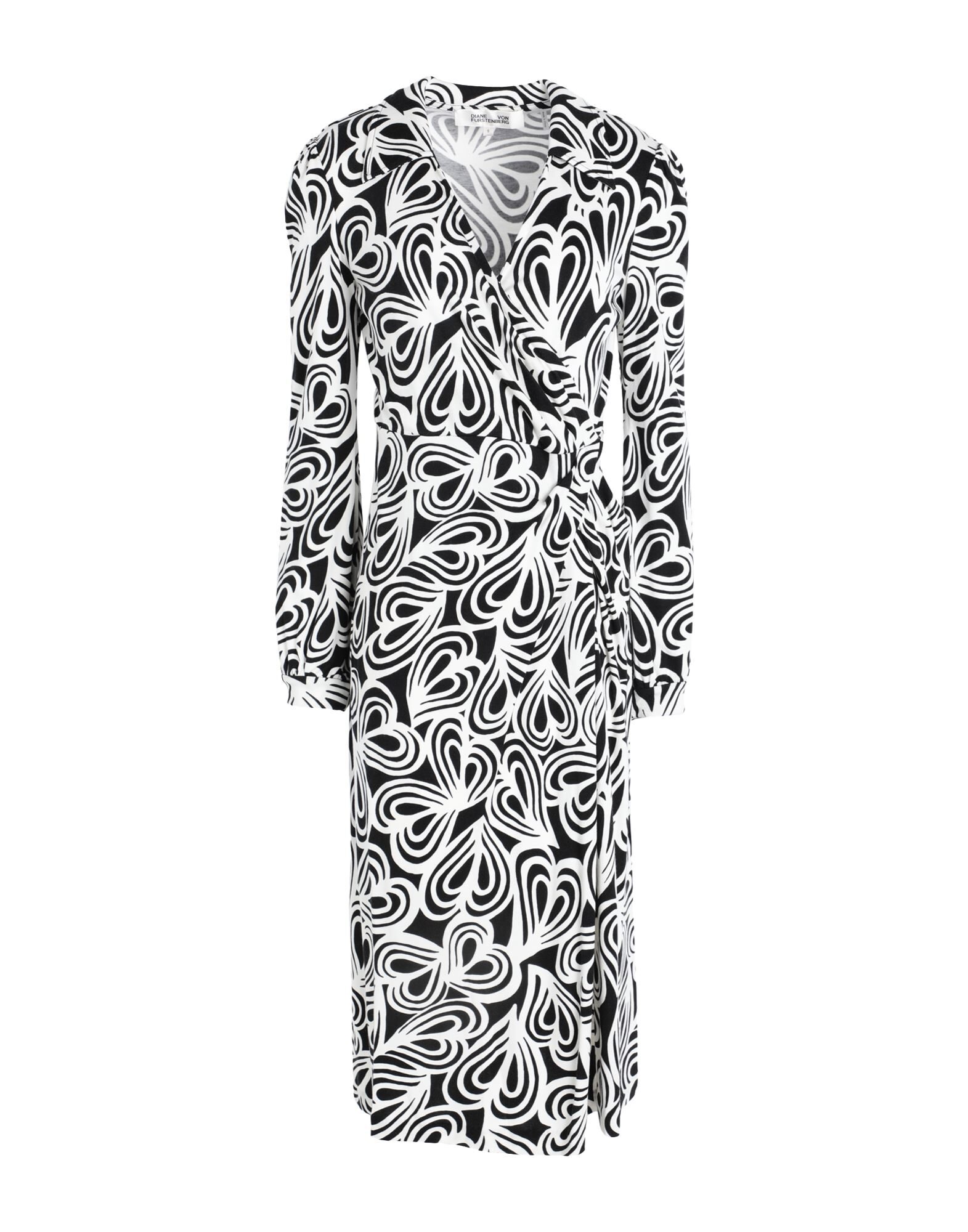
Diane von Furstenberg, a name synonymous with empowerment and innovation in the fashion industry, has been a transformative figure since she burst onto the scene in the 1970s. Her creation of the iconic wrap dress has not only influenced fashion trends but has also become a symbol of women’s liberation and confidence. As we assess her substantial impact, it’s clear that Diane von Furstenberg remains relevant today and continues to inspire new generations of designers and entrepreneurs.
The Rise of a Fashion Legend
Born in Belgium in 1946, Diane von Furstenberg moved to New York City in the early 1970s. It was here that she revolutionized women’s wardrobes with her bold prints and comfortable silhouette. In 1974, the introduction of the wrap dress became a phenomenon, catering to women who desired fashion that provided both style and ease. During the 1980s, sales skyrocketed, establishing her brand as a staple in women’s fashion.
Over the years, von Furstenberg has expanded her brand beyond dresses, incorporating a full array of clothing, accessories, and home décor. Her commitment to quality and design led to the establishment of a global empire, as her products are now available in over 70 countries.
Fashion and Empowerment
What distinguishes Diane von Furstenberg from many of her contemporaries is her focus on empowerment. In 2010, she launched the DVF Awards, honoring women who have made significant contributions to their communities and the world. These initiatives tie back to her personal experiences with female empowerment, making her advocacy an inherent part of her brand identity.
In her words, ‘The most important relationship is the one you have with yourself.’ This message resonates in her recent collections, which incorporate more inclusive sizing and highlight the diverse beauty of women today. Her philosophy and designs instill confidence, revealing a newer narrative around body positivity in fashion.
Recent Developments and Trends
As of late 2023, Diane von Furstenberg continues to showcase her collections at renowned fashion weeks worldwide, remaining both a trendsetter and a respected mentor to young designers. In response to changing consumer behavior, she has also embraced sustainability, incorporating eco-friendly practices into her production processes.
Conclusion
In a world where the fashion landscape is constantly shifting, Diane von Furstenberg stands as a beacon of resilience and innovation. With her unwavering commitment to women’s rights and evolving fashion sensibilities, she not only shapes trends but also cultivates a meaningful dialogue surrounding empowerment. As we anticipate future collections and initiatives from von Furstenberg, it is evident that her influence will endure, inspiring countless others in the fashion industry and beyond.