Introduction
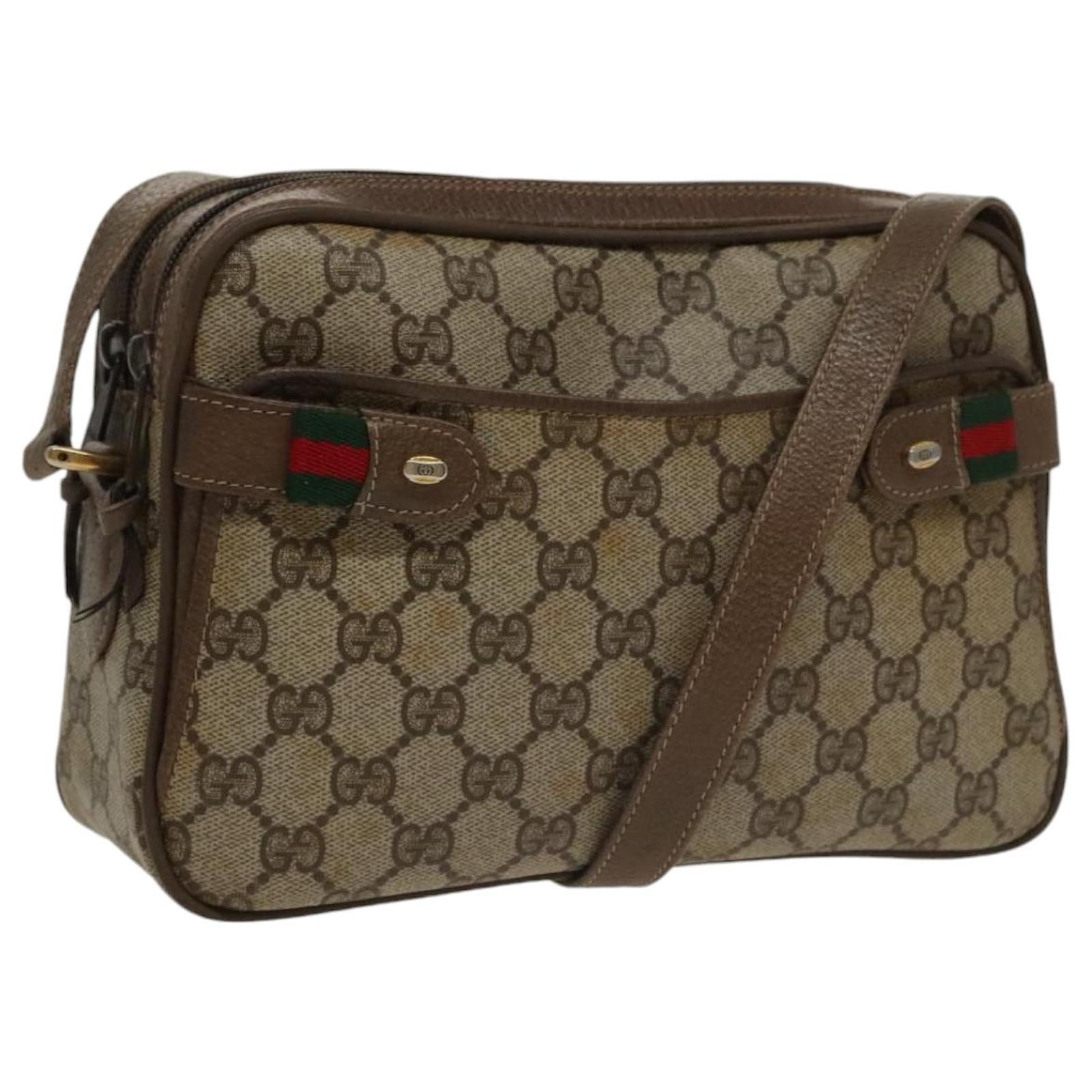
Gucci, one of the most recognizable names in luxury fashion, continues to shape the landscape of style and luxury worldwide. Founded in Florence in 1921 by Guccio Gucci, the brand has evolved over the decades to become synonymous with high-end fashion, leather goods, and accessories. Its relevance today reflects not only its rich heritage but also its ability to adapt and innovate in a rapidly changing market.
Recent Developments and Trends
In recent months, Gucci has solidified its position by launching a series of bold collections that appeal to both traditional luxury consumers and a younger, more fashion-forward audience. The Fall/Winter 2023 collection, showcased at Milan Fashion Week, featured a blend of timeless elegance and avant-garde designs, sparking conversation about its artistic direction under current creative director Sabato De Sarno.
Additionally, Gucci’s commitment to sustainability and ethical practices has become a focal point of its brand identity. Recently, the company announced plans to further reduce its carbon footprint and promote sustainable sourcing, particularly in its leather manufacturing processes. By integrating eco-friendly materials and practices, Gucci aims to appeal to the increasing consumer demand for sustainable luxury.
Collaborations and Cultural Impact
Gucci is also known for its innovative collaborations that expand the brand’s reach and relevance. The collaboration with The North Face in late 2020 allowed Gucci to tap into the outdoor fashion segment while attracting younger clientele. Such partnerships also resonate with Gucci’s commitment to inclusivity and creativity, fostering a sense of community among diverse consumers.
Gucci’s cultural impact extends beyond fashion, often engaging with the art world and pop culture. Collaborations with artists and designers, as well as appearances in various media, have helped maintain Gucci’s image as a boundary-pushing and trendsetting brand.
Conclusion
As Gucci navigates the post-pandemic fashion landscape, it continues to uphold its legacy while also forging a path toward modernity and sustainability. The brand’s ability to adapt to consumer expectations and cultural shifts will be crucial for its enduring success. For fashion enthusiasts and consumers alike, following Gucci’s journey offers insights into the future of luxury fashion, affirming that the brand is not just a label, but a key player in the evolution of global style.