Introduction
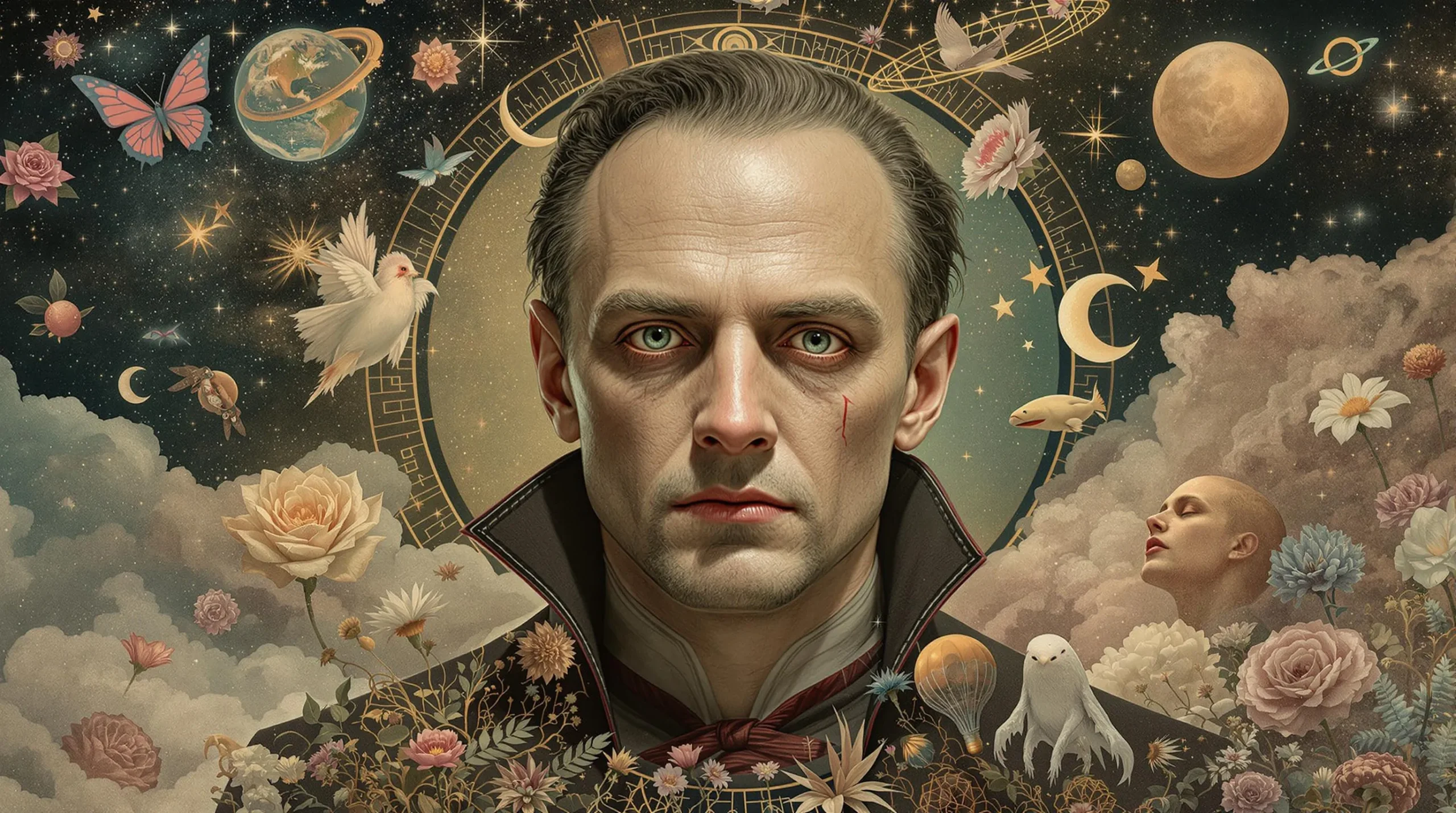
Hannibal Lecter, a fictional character created by author Thomas Harris, has become one of the most recognized villains in popular culture. First introduced in the 1981 novel “Red Dragon,” Lecter gained worldwide fame through the film adaptations, especially “The Silence of the Lambs.” His complex personality as a brilliant psychiatrist and cannibalistic serial killer raises profound ethical questions and keeps audiences captivated. As the character continues to resonate in modern media, understanding his legacy reveals the intricate ties between horror, psychology, and society.
The Rise of Hannibal Lecter
Hannibal Lecter was initially brought to life in Harris’s novels, showcasing his sophisticated intellect and sinister appetites. The character’s true emergence into mainstream culture occurred with the release of “The Silence of the Lambs” in 1991, which won multiple Academy Awards, including Best Picture. Anthony Hopkins’s chilling portrayal earned him an Academy Award for Best Actor, making Lecter an archetypal cinematic villain. His famous line, “I ate his liver with some fava beans and a nice Chianti,” has become ingrained in film history.
Literary and Psychological Analysis
Lecter’s character invites psychologists and literary critics to delve into themes of morality, monstrosity, and the duality of human nature. Many studies examine how he symbolizes the darker aspects of humanity, serving as a mirror reflecting society’s fears and obsessions. His interactions with FBI agent Clarice Starling highlight themes of power dynamics, manipulation, and the quest for understanding of the human psyche. As such, Lecter is not merely a villain but a complex character that embodies both horror and fascination.
Hannibal in Modern Culture
In recent years, the character has seen a resurgence in popularity, particularly through the acclaimed television series “Hannibal” which aired from 2013 to 2015. This show reinterpreted Lecter, focusing on his relationship with FBI profiler Will Graham. The series garnered critical acclaim for its visual storytelling and character development, reaffirming Lecter’s relevance in contemporary media. The enduring interest in Hannibal Lecter also reflects societal fascination with crime and psychology, keeping the discourse around his character alive.
Conclusion
Hannibal Lecter remains an iconic figure in literature and film, symbolizing the complexity of evil and the depths of human psychology. As new adaptations and discussions about his character continue to emerge, it becomes clear that Lecter is more than just a monster; he is a cultural phenomenon that challenges audiences to confront uncomfortable truths about humanity. His legacy invites us to explore the fascinating realms of fear, intelligence, and morality, ensuring that Hannibal Lecter will continue to thrill and horrify audiences for years to come.