Introduction
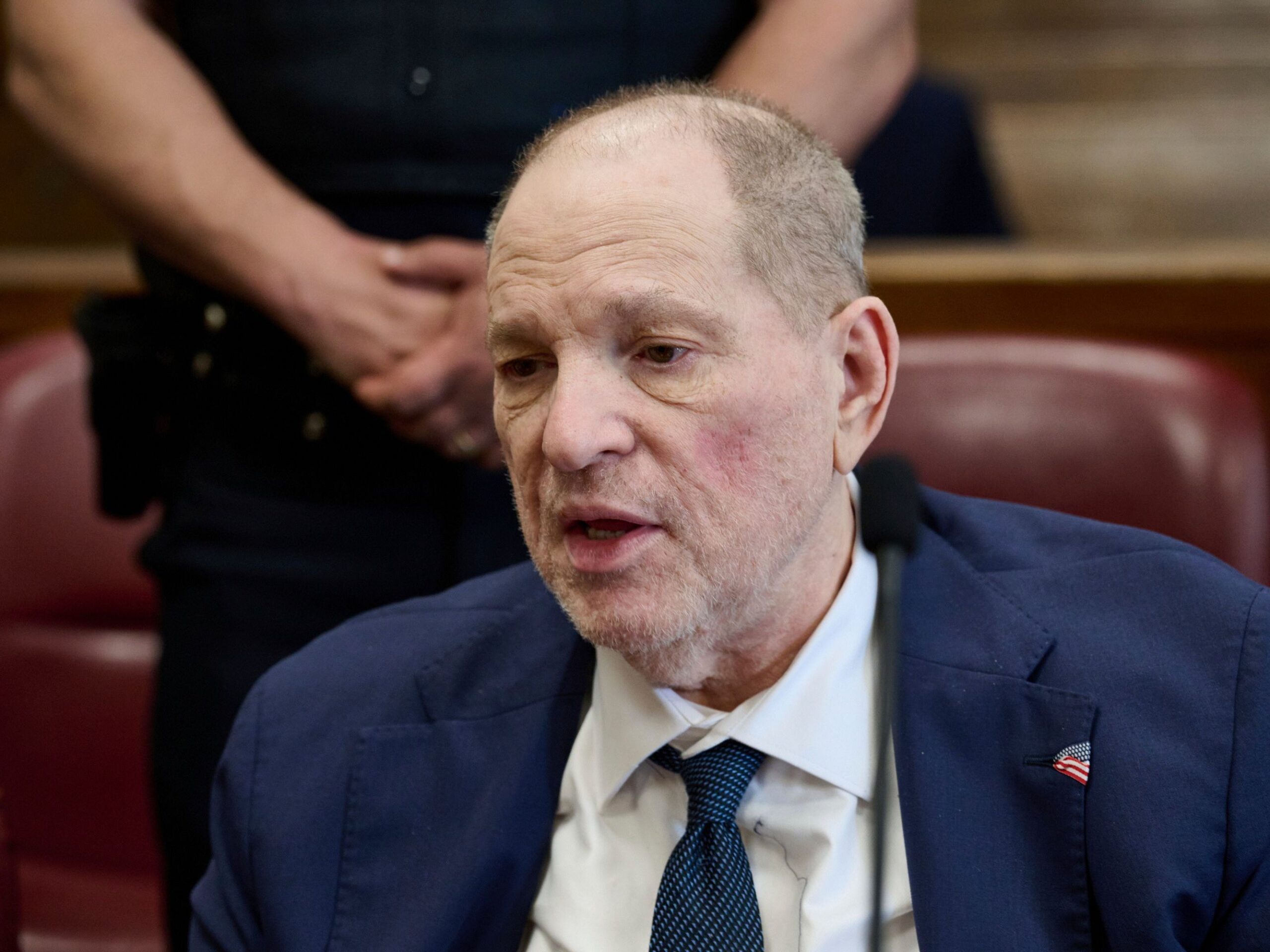
The case of Harvey Weinstein, a former Hollywood mogul, has had a profound impact on the entertainment industry and the broader conversation surrounding sexual assault and harassment. Weinstein’s actions, which came to light in 2017, ignited the #MeToo movement and changed the way incidents of sexual misconduct are perceived and addressed. This article examines the latest developments in Weinstein’s legal battles and their significance in the ongoing fight for justice.
Current Legal Proceedings
As of October 2023, Harvey Weinstein is serving a 23-year sentence following his conviction for sexual assault and rape in New York City. Following this sentence, he faced additional charges in Los Angeles, where a jury found him guilty of rape, sexual penetration by a foreign object, and forcible oral copulation in February 2023. He was sentenced to 16 years, to be served consecutively to his New York sentence, bringing Weinstein’s total prison time to 39 years.
Weinstein’s legal team has continued to challenge the convictions, filing appeals on grounds of insufficient evidence and procedural errors during the trials. These appeals are ongoing, and the outcomes could set significant precedents for future sexual assault cases.
Impact on Society and the Entertainment Industry
The Weinstein case has had far-reaching consequences, reshaping not only the legal landscape but also the cultural and professional climates in Hollywood and beyond. The #MeToo movement, which gained momentum as a direct response to allegations against Weinstein, has encouraged countless individuals to come forward with their experiences of harassment and assault. The movement has precipitated a wave of policy changes within companies and advocacy for better protections for victims in workplaces nationwide.
As a result, several organizations have adopted new training and reporting procedures, and there have been significant discussions about accountability for perpetrators in various industries. The cultural shift indicates a growing intolerance for sexual misconduct, reflecting a societal commitment to fostering safer environments.
Conclusion
The legal battles faced by Harvey Weinstein are emblematic of larger struggles within society concerning accountability and justice for victims of sexual assault. As the legal proceedings continue, the ramifications of his case are expected to influence not only judicial practices but also the societal norms regarding reporting abuse. For readers, this serves as a reminder of the importance of advocacy and awareness in combating sexual violence and supporting survivors. As discussions continue, the legacy of Weinstein’s actions will likely linger, shaping future dialogues and policies in both the entertainment industry and broader society.