Introduction
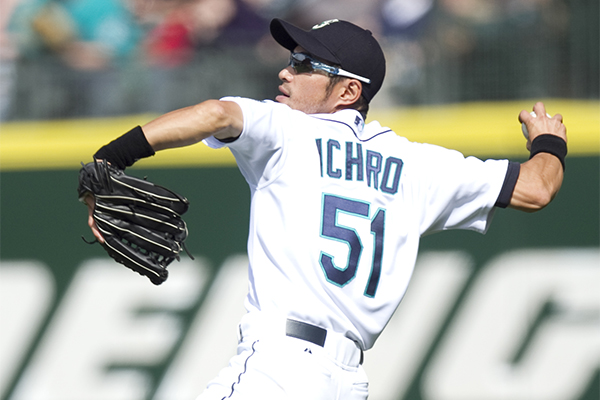
Ichiro Suzuki, a name synonymous with excellence in baseball, has left an indelible mark on Major League Baseball (MLB) and its fans worldwide. His journey from the Nippon Professional Baseball (NPB) in Japan to becoming one of the most decorated players in MLB history is both inspirational and significant. As we reflect on his career, it’s essential to understand his impact on the sport and how he bridged the gap between American and Japanese baseball cultures.
A Stellar Career
Entering Major League Baseball in 2001, Ichiro quickly made a name for himself as a player with exceptional hitting skills, speed, and an unparalleled work ethic. Over his 19-year career, he amassed an impressive 3,089 hits in MLB, coupled with a remarkable .311 batting average. He was awarded the American League Most Valuable Player (MVP) in 2001, distinguishing himself as not just a standout player but also a crucial contributor to his team’s success.
Ichiro’s 2001 rookie season was nothing short of extraordinary, as he not only won the Rookie of the Year award but also helped lead the Seattle Mariners to an astonishing 116 wins. This remarkable performance set the tone for his illustrious career, during which he won numerous accolades, including 10 Gold Glove Awards and 3,000 career hits, a milestone achieved by a mere 33 players in MLB history.
Cultural Impact and Influence
Beyond his athletic prowess, Ichiro Suzuki has played a vital role in fostering a greater appreciation for baseball in Japan. His success in MLB opened the doors for many Japanese players, who followed in his footsteps to pursue careers in the league. Icons such as Shohei Ohtani and Yu Darvish credit Ichiro as a precursor who changed perceptions and laid a foundation that made their arrivals possible.
Ichiro’s playing style — characterized by a unique blend of traditional technique and aggressive play — inspired players globally. His dedication to training and preparation set a new standard for athletes. Off the field, Ichiro’s humility and professionalism made him a beloved figure in baseball and an ambassador for peace between American and Japanese sports.
Conclusion
Ichiro Suzuki’s influence extends beyond statistics and records. He has reshaped how players approach their careers and has significantly contributed to international relations within sports. As baseball continues to evolve, the legacy of Ichiro serves as a reminder of the profound and positive impact one player can have, not only on the game itself but on cultures worldwide. As future generations of baseball players and fans look back, Ichiro’s contributions will undoubtedly inspire and ignite passion in the hearts of many.