Introduction
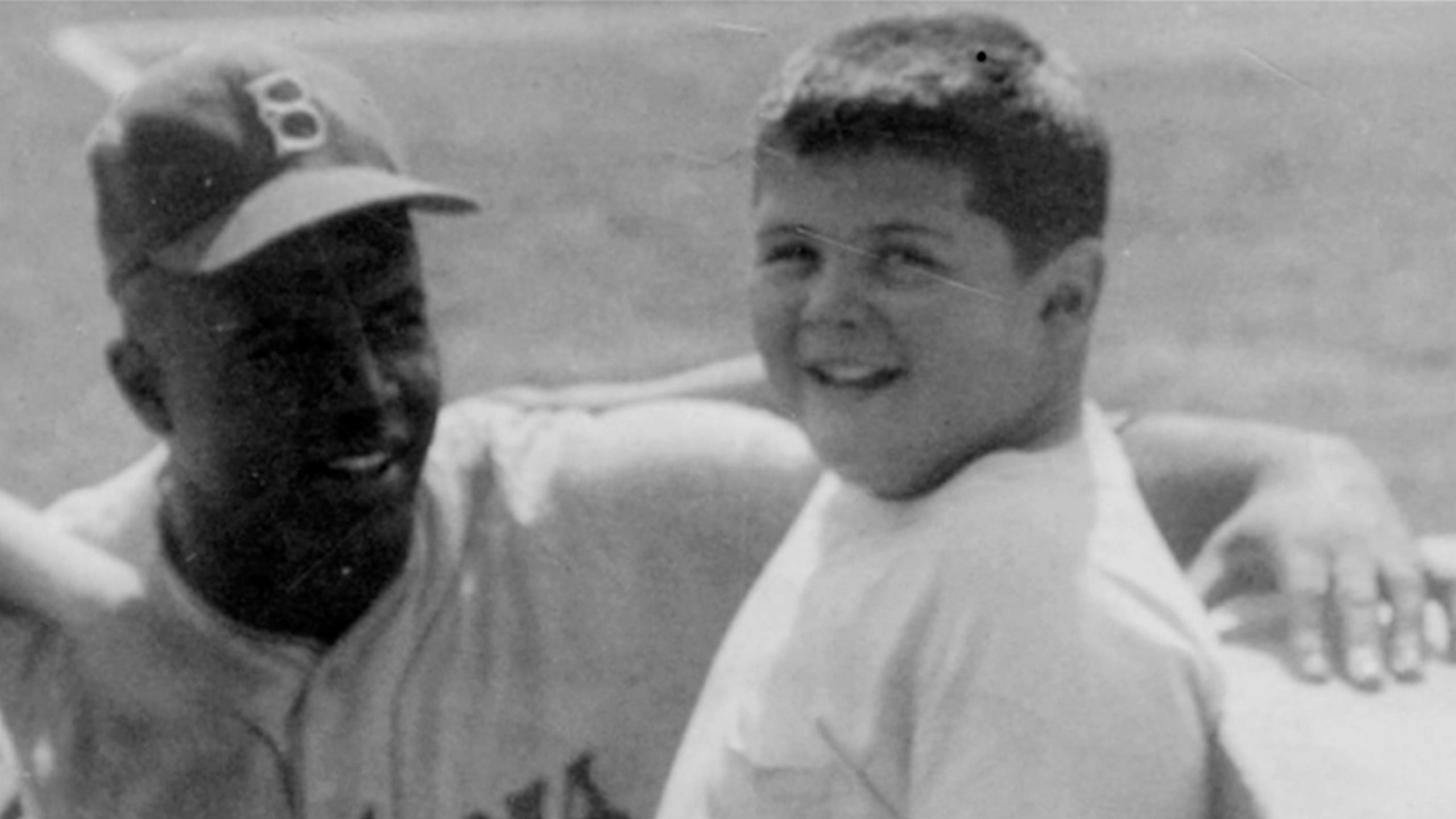
Jackie Robinson, the first African American to play in Major League Baseball (MLB), is not only a legendary athlete but also a significant figure in American history. His breaking of the color barrier in 1947 marked a critical turning point in both sports and civil rights. As we celebrate his contributions, it is essential to understand the importance of his legacy, not just within baseball, but also in the ongoing fight against racial discrimination.
Jackie Robinson’s Historic Arrival
On April 15, 1947, Jackie Robinson made his historic debut with the Brooklyn Dodgers, forever altering the landscape of American sports. Despite facing intense racism and hostility both on and off the field, Robinson maintained a level of dignity and courage that set a powerful example for future generations. His incredible talent was evident as he earned the 1947 Rookie of the Year award, followed by the National League MVP in 1949. Over his ten-year career, Robinson became a six-time All-Star and helped lead the Dodgers to a World Series championship in 1955.
Impact Beyond Baseball
Robinson’s influence extended far beyond the baseball diamond. As an outspoken advocate for civil rights, he used his platform to address social injustices. Robinson frequently spoke against segregation and discrimination, and after retiring from baseball, he continued to fight for equality and social change. His efforts contributed to the growing momentum of the Civil Rights Movement in the 1960s.
Commemoration and Recognition
Today, Jackie Robinson’s legacy is honored in numerous ways, including Major League Baseball’s annual Jackie Robinson Day, where players across the league wear his number, 42, to commemorate his impact. In 1997, baseball retired his number across all teams, a testament to the profound realization of his influence on the sport and society at large. Furthermore, Robinson was inducted into the Baseball Hall of Fame in 1962, cementing his status as one of the greatest players in history.
Conclusion
Jackie Robinson remains a symbol of perseverance, bravery, and equality. His breaking of the color barrier not only transformed baseball but also catalyzed change in American society. As we reflect on his life and achievements, it is vital for current and future generations to recognize the ongoing struggles against racism and inequality. Robinson’s story serves as an enduring reminder of the impact one individual can have in shaping a more just world.