Introduction
Mario, the iconic video game character created by Nintendo, has become a staple of the gaming industry since his first appearance in the 1981 arcade game ‘Donkey Kong.’ With more than 367 million units sold across various franchises, Mario is not only a beloved character but also a cultural phenomenon that transcends generations. His relevance continues as Nintendo expands Mario’s universe with new games and adaptations, making him a subject of significant interest for both gamers and non-gamers alike.
The Rise of Mario
Mario’s character was originally designed as ‘Jumpman’ before being renamed in honor of Mario Segale, the landlord of the warehouse Nintendo was using at the time. Over the years, Mario has evolved from a simple 2D sprite to a 3D character, appearing in over 200 video games. Some of the most notable titles include the platforming classics ‘Super Mario Bros.,’ ‘Super Mario 64,’ and more recently, ‘Super Mario Odyssey.’ Each game has contributed to the lore of Mario, introducing new characters, themes, and gameplay mechanics while consolidating his status as the face of gaming.
Recent Developments
In recent years, Mario has continuously participated in new adventures. The release of ‘Super Mario 3D World + Bowser’s Fury’ in 2021 shows Nintendo’s commitment to keeping the franchise fresh. Furthermore, the upcoming animated movie featuring Chris Pratt as the voice of Mario scheduled for release in 2022 has generated buzz among both fans and industry observers. With a star-studded cast and a commitment to staying true to the essence of Mario, this film is poised to further elevate the character’s profile in popular culture.
Significance for Gaming and Culture
Mario represents not only a monetarily lucrative franchise for Nintendo but also serves as a cultural touchstone. The Mario series has paved the way for the platforming genre and inspired countless games that followed. From the distinct sound effects to the iconic red hat, the branding of Mario has become universally recognized, making him synonymous with gaming itself.
Conclusion
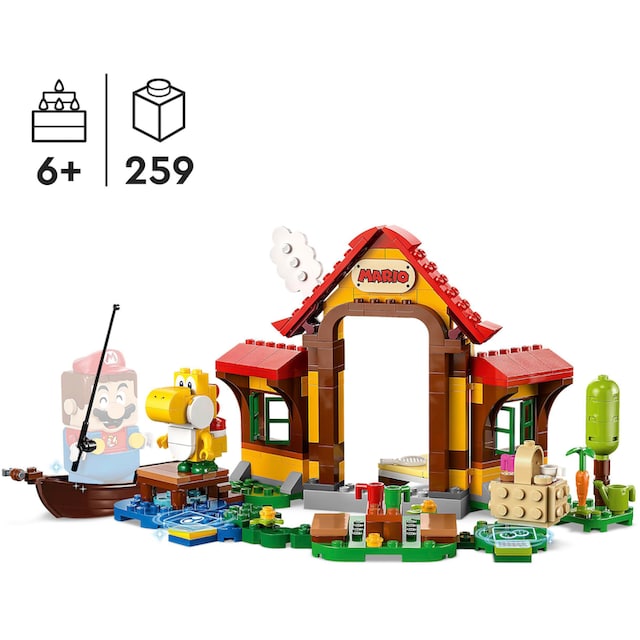
As Mario continues to adapt through novels, merchandise, and film, his legacy as a video game icon remains undeniable. The character’s ability to evolve while retaining his fundamental traits highlights not only the smart marketing strategies of Nintendo but also the affection that fans have for Mario. Looking ahead, it seems likely that Mario will not only sustain his relevance but continue to redefine what it means to be a gaming icon in a rapidly changing industry.