Introduction
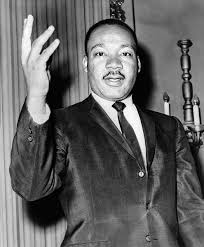
Martin Luther King Jr. remains a pivotal figure in American history, recognized as a leader in the Civil Rights Movement who advocated for equality and justice through nonviolent means. His efforts not only helped dismantle institutional racism in the United States but also inspired movements worldwide. As conversations about social justice and equality continue today, reflecting on King’s teachings and legacy is more important than ever.
The Life and Work of Martin Luther King Jr.
Born on January 15, 1929, in Atlanta, Georgia, Martin Luther King Jr. was raised in a family that valued education and social activism. He obtained his doctorate in systematic theology and became a pastor, which deeply influenced his commitment to nonviolent activism. His rise as a leader began in 1955, when he played a crucial role in the Montgomery Bus Boycott after the arrest of Rosa Parks.
As the face of the Southern Christian Leadership Conference (SCLC), King organized numerous protests and marches. Notably, his “I Have a Dream” speech delivered during the 1963 March on Washington rallied people from all walks of life to dream of a racially integrated and harmonious America. This speech, among other works, has become emblematic of his vision for the future.
Significant Milestones
King’s leadership was instrumental in:
- Passing the Civil Rights Act of 1964, which outlawed discrimination based on race, color, religion, sex, or national origin.
- The Voting Rights Act of 1965, ensuring African Americans the right to vote.
- Founding organizations aimed at combatting racial inequality and social injustice.
Conclusion: The Continued Relevance of King’s Message
Martin Luther King Jr.’s legacy continues to resonate in the ongoing struggle for civil rights and social justice globally. As demonstrated by recent protests and movements advocating for racial equality, such as Black Lives Matter, King’s approach of nonviolent resistance remains a powerful tool for change. His teachings encourage us to engage in dialogue, seek justice, and find strength in community. As we honor his legacy, it is crucial to reflect on how we can apply his principles to today’s social issues. Understanding and promoting his vision can help guide efforts toward a more equitable society.