Introduction
Debuting in 1984, Miami Vice quickly became a cultural phenomenon, known for its unique blend of crime drama, stylish aesthetics, and unforgettable soundtrack. Its portrayal of Miami’s vibrant nightlife and drug trade captured the imagination of viewers, and it left an indelible mark on television, fashion, and music. Even decades after its original run, the show remains relevant, inspiring new generations of artists and fans alike.
Impact on Television and Film
Created by Anthony Yerkovich and produced by Michael Mann, Miami Vice was groundbreaking for its time, combining elements of film and television in a way that had not been done before. The series broke away from traditional police drama tropes by incorporating music videos and film-like cinematography, leading to a new standard in TV production values. Episodes often featured high-profile guest stars and complex storylines that addressed social issues like drug trafficking, corruption, and police ethics.
Fashion and Music Influence
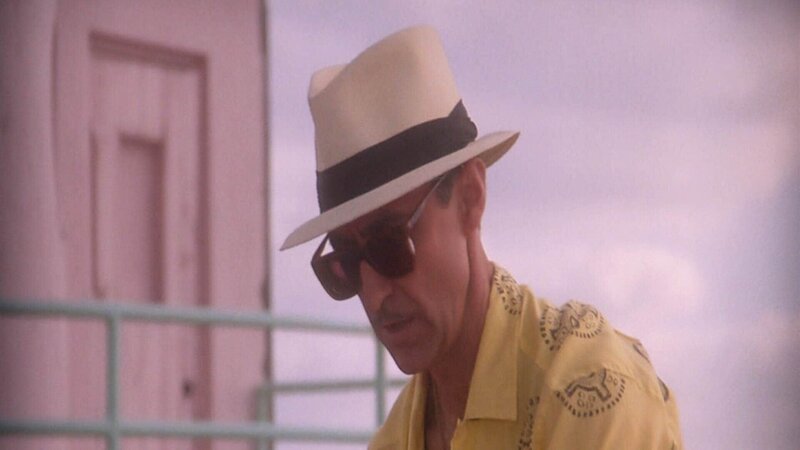
Miami Vice also made significant contributions to fashion and music, establishing a signature style characterized by pastel colors, linen suits, and sleek hairstyles. The show’s protagonists, Detective Sonny Crockett (played by Don Johnson) and Detective Ricardo Tubbs (played by Philip Michael Thomas), became fashion icons, with viewers emulating their looks. The series also introduced a soundtrack that blended genres, from rock to pop and hip-hop, featuring artists like Phil Collins and Jan Hammer. Its music became synonymous with Miami’s nightlife, helping to elevate the city’s status as a cultural hotspot.
Legacy and Revival
The cultural impact of Miami Vice continues to resonate in today’s media landscape. Its influence can be seen in modern television series and films, with both visual styles and storylines mirroring its groundbreaking approach. In 2006, a feature film adaptation directed by Michael Mann reintroduced the beloved characters to new audiences, although it received mixed reviews. Additionally, the show has seen several home media releases and remains available for streaming, helping to introduce a new generation to its iconic style and themes.
Conclusion
Miami Vice was more than just a television show; it was a cultural touchstone that shaped fashion, music, and the portrayal of crime television. As we celebrate its legacy decades after its conclusion, it is clear that Miami Vice still captivates audiences and influences contemporary media. Its fusion of glamorous storytelling and social commentary remains a significant example of how art can reflect and impact society. As interest in retro culture continues to rise, Miami Vice’s iconic status is likely to endure, making it a perpetual source of inspiration for artists and entertainment creators moving forward.