Introduction
‘Two and a Half Men’ is more than just a sitcom; it’s a cultural phenomenon that redefined comedic television in the early 2000s. Premiering in 2003, the show ran for twelve seasons, captivating audiences with its unique premise and memorable characters. As one of the most popular sitcoms of its time, it not only entertained millions but also sparked discussions around masculinity, family dynamics, and the evolution of the television landscape.
Show Overview
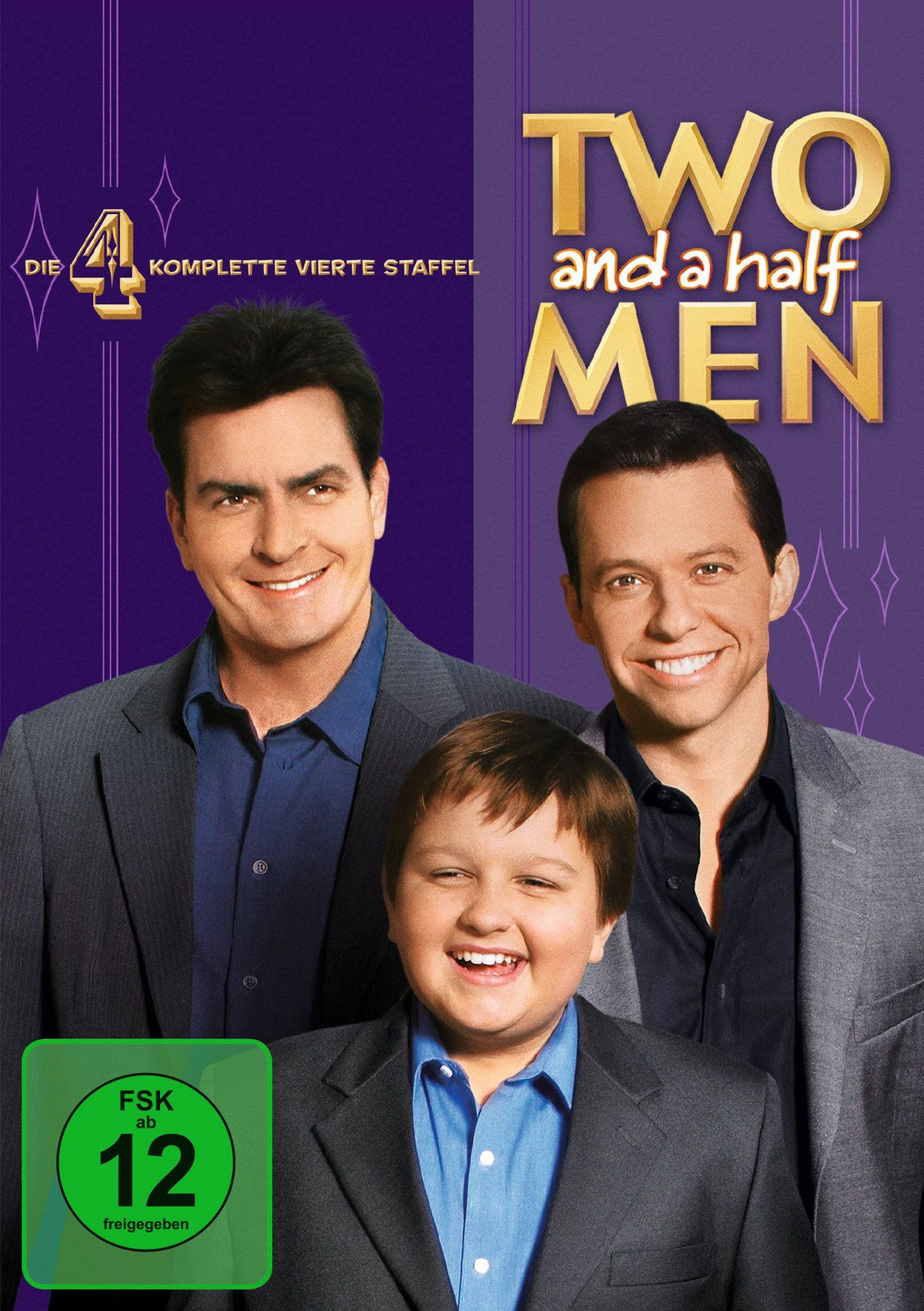
The series was created by Chuck Lorre and Lee Aronsohn, and it follows the life of Charlie Harper, played by Charlie Sheen, a wealthy jingle writer whose life takes an unexpected turn when his brother Alan (Jon Cryer) and nephew Jake (Angus T. Jones) move in with him after Alan’s marriage falls apart. The show expertly blended humor with heartfelt moments, exploring themes such as brotherhood, parenting, and the complexities of relationships.
Cast and Characters
Charlie Sheen’s portrayal of Charlie Harper became iconic, known for his playboy lifestyle and quick wit. After Sheen’s exit from the show in 2011 following a highly publicized dispute, Ashton Kutcher joined the cast as Walden Schmidt, a billionaire with a softer side. Despite the change in cast, the show’s popularity persisted, showcasing its ability to adapt and evolve.
Audience Reception and Impact
<p'Two and a Half Men' was a ratings giant, especially in its early years. The series often topped the Nielsen ratings, making it one of the most-watched shows on television. It received numerous awards, including Golden Globe nominations and an Emmy award for Jon Cryer. The show has also been the subject of critical analysis, with discussions highlighting its portrayal of modern family life and gender roles, often resonating with viewers of varying backgrounds.
Conclusion
As ‘Two and a Half Men’ celebrates over a decade since its premiere, its legacy continues to influence sitcoms today. The show not only provided countless laughs but also offered a mirror reflecting evolving familial structures and societal norms. As streaming platforms keep the episodes alive, new generations are discovering the charm and humor of Charlie Harper and his quirky family. While the series concluded in 2015, its impact on television remains undeniable, making it a subject of nostalgia and continued relevance in contemporary media discussions.