Introduction
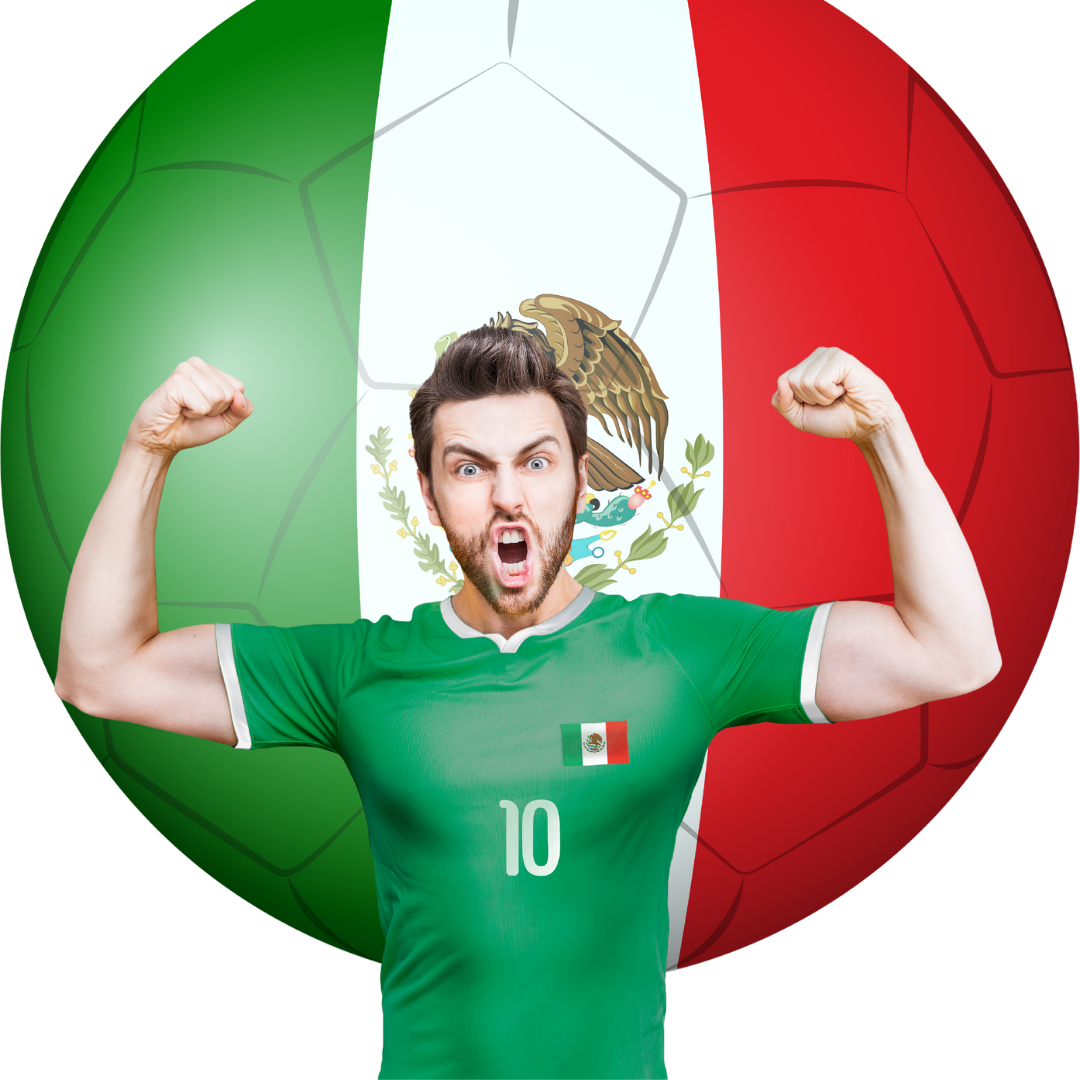
Soccer is more than just a sport in Mexico; it is a vital part of the country’s identity, culture, and social fabric. The sport brings together millions of fans, uniting them in their love for the game and their national team, known as ‘El Tri.’ As the 2026 FIFA World Cup approaches, the relevance of soccer in Mexico continues to grow, along with the nation’s aspirations in the international arena.
Recent Developments
In recent months, Mexico’s national soccer team has been navigating a period of transition. Following the disappointing performance in the 2022 FIFA World Cup in Qatar, where they were eliminated in the group stages, the Mexican Football Federation appointed a new head coach, Diego Cocca, in an effort to rejuvenate the team. Under Cocca’s leadership, El Tri aims to rebuild and enhance its competitiveness ahead of the World Cup to be co-hosted in the United States, Canada, and Mexico in 2026.
In addition to developments at the national team level, Mexico’s domestic league, Liga MX, remains one of the strongest soccer leagues in North America. The league has recently attracted international talents, further increasing the level of competition and popularity. Teams such as Club América and Chivas Guadalajara continue to have massive followings, reflecting the deep-seated soccer culture in the country.
Mexico’s Soccer Culture
Soccer in Mexico is characterized by its passionate fanbase. Stadiums often resonate with the chants and songs of dedicated supporters, creating an electric atmosphere that showcases the profound connection between the sport and the Mexican people. Festivals, gatherings, and family events often revolve around significant soccer matches, illustrating how the sport is interwoven into everyday life.
The influence of soccer extends beyond the pitch; it also plays a significant role in social issues. Various initiatives aim to use soccer as a platform to promote inclusivity, youth development, and community engagement across the nation. Programs targeting underprivileged areas leverage the sport to foster teamwork, discipline, and resilience among young players.
Conclusion
The significance of Mexico soccer will continue to resonate as the nation prepares to welcome the world for the 2026 FIFA World Cup. With ambitious plans for the national team and an unwavering support system from fans, the future of soccer in Mexico appears bright. As the country engages in both building on past legacies and nurturing the next generation of players, the hope remains high for achieving international glory.