Introduction
The battle of survival in nature often reveals itself through the interactions between large herbivores and their predators. Among the most iconic of these herbivores stands the woolly mammoth, a creature that thrived during the last Ice Age. Understanding the dynamics of mammoth vs. predators sheds light on prehistoric ecosystems, showcasing the intricate relationships that dictated the balance of ancient life.
Mammoths: Titans of the Ice Age
Mammoths roamed the tundra regions of North America, Europe, and Asia around 300,000 years ago. Known for their enormous size, covered in thick fur, and long curved tusks, they were well-adapted to cold environments. Their primary survival strategy involved foraging on grasses, shrubs, and other vegetation, allowing them to sustain their massive bodies.
Predators of the Mammoth
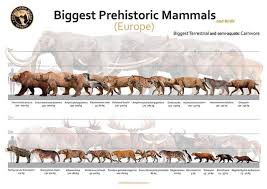
While mammoths were accomplished grazers, they were not without their challengers. The primary predators of mammoths included saber-toothed cats, dire wolves, and early humans. Saber-toothed cats, with their formidable canines, were agile hunters that could launch surprise attacks on unsuspecting mammoths, targeting young or weakened individuals.
Dire wolves, often hunting in packs, provided a formidable threat through sheer numbers. Their social structure enabled them to coordinate attacks, making it difficult for even a full-sized mammoth to escape. Furthermore, evidence suggests that early humans also played a critical role as mammoth hunters. Equipped with stone tools and a deep understanding of mammoth patterns, they competed fiercely for survival.
Impact of Predator Pressure
The interactions between mammoths and their predators reveal significant insights into extinction events. Overhunting by humans, combined with environmental changes at the end of the last Ice Age, likely led to a decline in mammoth populations. Fossil records indicate signs of injuries from predator attacks, implying high-stress living conditions for mammoths as they faced threats from multiple fronts.
Conclusion
The saga of mammoths and their predators encapsulates the timeless struggle of life and survival. The impact of evolutionary pressures continues to shape our understanding of animal behavior and adaptation. Today, studying these interactions enriches our knowledge of not only extinct species but also modern ecosystems where such dynamics persist. Looking forward, scientists aim to learn from these ancient battles to comprehend the effects of species interactions as climate change and human activities pose new challenges to wildlife. The legacy of the mammoth lives on, inviting curiosity about how our world has been sculpted by nature’s relentless conflicts.