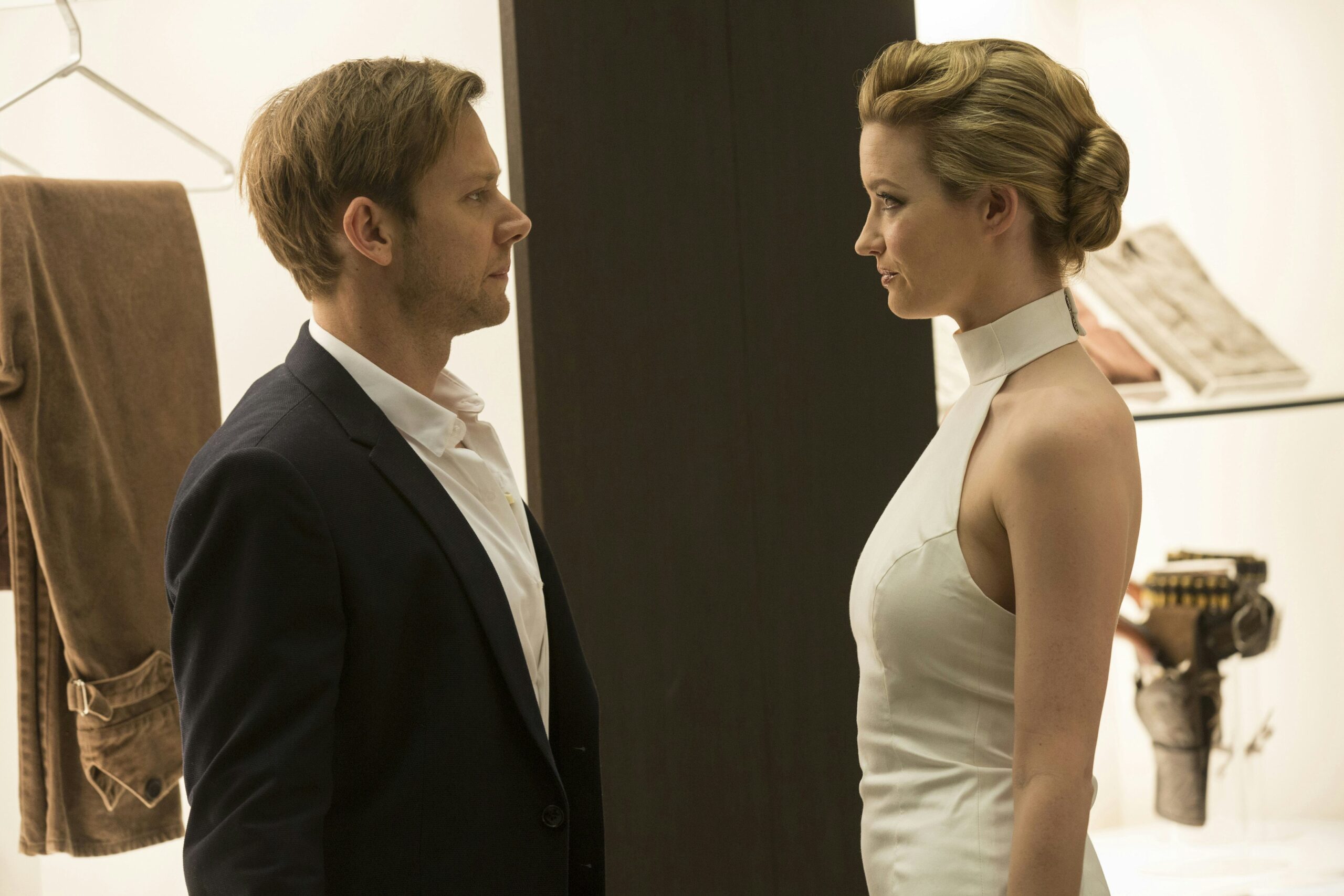
Introduction to Westworld
Since its premiere in 2016, HBO’s Westworld has captivated audiences with its intricate storytelling, stunning visuals, and thought-provoking themes surrounding artificial intelligence and free will. Set in a futuristic amusement park where guests interact with lifelike robots, or ‘hosts’, the show cleverly explores the boundaries of humanity and technology. It’s a compelling examination of what it means to be sentient, making it a relevant topic in an age where AI is rapidly advancing.
Plot Overview and Key Themes
Westworld presents a complex narrative that intertwines the lives and experiences of its human guests and the hosts, programmed to serve them. The show artfully questions the ethics behind dominion over consciousness and the implications of creating life-like entities. The series takes viewers through various narratives, particularly focusing on characters like Dolores Abernathy, played by Evan Rachel Wood, and the man in black, portrayed by Ed Harris. These character arcs raise profound questions about identity, consciousness, and rebellion.
Current Season and Reception
As of 2023, Westworld has concluded its fourth season, leaving fans on the edge of their seats with its unresolved storylines and character developments. While HBO announced the show’s cancellation in late 2022, the series still retains a committed fanbase, sparking discussions around its deeper implications and cultural references. Critics have praised the show’s ambition and its visual storytelling, even as audiences have experienced mixed reactions to certain plot developments over the seasons.
Significance in Contemporary Media
The discussions initiated by Westworld are more relevant now than ever. As society continues to grapple with the ethical questions posed by AI and automation, the philosophical debates ignited by the series resonate with many. It provides a vivid platform for exploring the consequences of technology on human interaction, empathy, and morality.
Conclusion: The Legacy of Westworld
Though Westworld has ended, its legacy as a pioneering series remains influential in the realm of science fiction and philosophical discourse. As audiences reflect on the show’s themes, the conversations around AI, ethics, and humanity’s future are likely to continue evolving. This series challenges viewers to contemplate their relationship with technology, ensuring its position as a significant landmark in modern television history.