Introduction
The ring, a small yet significant piece of jewelry, has held various meanings throughout history. From ancient times to modern-day fashion, rings symbolize commitments, achievements, and personal style. The universal appeal of rings transcends cultures and generations, making it a topic of interest for many. Understanding the evolution of rings provides insight into societal values and traditions, emphasizing their relevance in contemporary culture.
The Historical Significance of Rings
Rings have been worn since ancient civilizations, with the earliest known rings dating back to around 3000 BC in Egypt. These early designs were made of reeds or leather and were often used for practical purposes, such as sealing documents. As time progressed, rings became symbols of power and status, especially within royal families and religious institutions. In the Roman Empire, for example, rings were often inscribed with family crests and were worn as a sign of authority.
Types of Rings and Their Cultural Relevance
Today, there is a broad variety of rings, each serving a unique purpose. Some of the most common types include:
- Wedding Rings: Symbolizing commitment and love, wedding bands are exchanged during marriage ceremonies and often carry significant emotional value.
- Engagement Rings: Traditionally given before marriage, these rings often feature a prominent gemstone, typically a diamond, representing the promise of marriage.
- Class Rings: Common in educational institutions, these rings commemorate academic achievements and are often personalized.
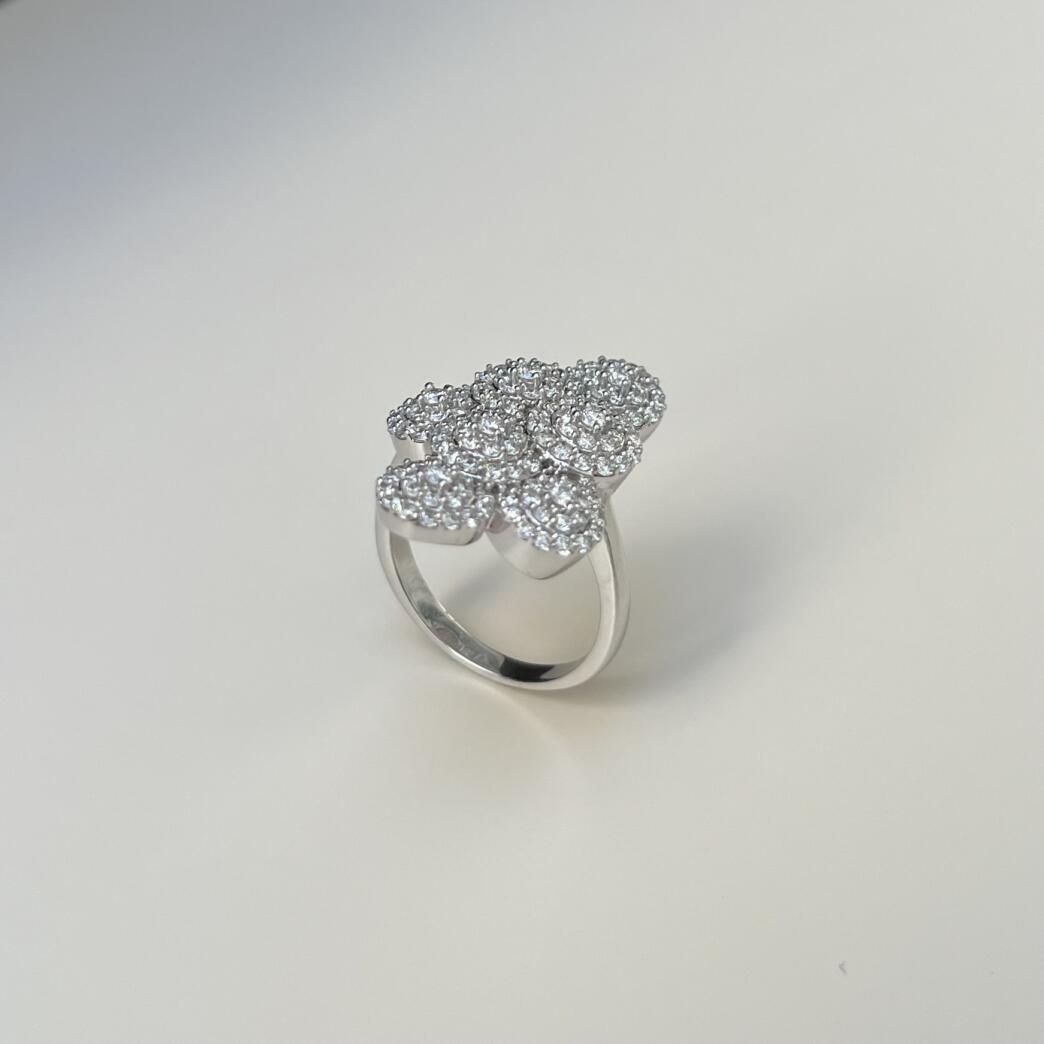
- Fashion Rings: These are worn for style and self-expression, ranging from minimalist designs to extravagant pieces covered in gemstones.
The Modern Market and Trends
The demand for rings remains strong, with the global jewelry market experiencing significant growth. According to a report by Research and Markets, the global jewelry market is projected to reach $480 billion by the year 2025. Jewelry brands are constantly innovating to meet consumer preferences, and the focus on sustainability has led to the rise of ethically sourced materials in ring production.
Conclusion
Rings have evolved from practical objects to symbols of love, status, and artistic expression. As society continues to change, so too do the meanings and designs associated with rings. This versatile jewelry item is not just a statement of personal style, but also a reflection of cultural values and human connections. As we look to the future, the significance of rings in our lives is likely to endure, continually adapting to meet new societal trends and individual preferences.