Introduction
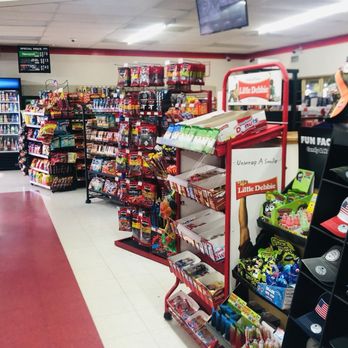
Convenience stores have become a staple in modern society, providing consumers with easy access to a variety of goods and services. From quick snacks to household essentials, these stores offer a level of convenience that has led to their widespread popularity. With the evolving demands of customers and the impact of recent global events, convenience stores are adapting to maintain their relevance in a competitive retail landscape.
Current Trends in Convenience Stores
As of 2023, the convenience store industry has shown innovative adaptations and growth. According to the National Association of Convenience Stores (NACS), the industry saw a significant boost in sales, reaching approximately $800 billion in the last year, with a 2.4% increase from the previous year. This growth can be attributed to several factors including the shift in consumer shopping behaviors and heightened demand for quick service.
Post-COVID-19, there has been a notable increase in shoppers preferring convenience stores over traditional grocery stores for their everyday needs. The pandemic accelerated the change in purchasing habits, with many consumers leaning towards one-stop-shop solutions that limit their exposure to crowded spaces. Convenience stores capitalized on this trend by expanding their product offerings, including fresh food, health and wellness items, and even meal kits.
Moreover, convenience stores are increasingly integrating technology to enhance customer experiences. Many locations are adopting mobile apps for remoting ordering and in-store pickup. The trend towards cashier-less stores is also gaining traction, providing a seamless shopping experience for tech-savvy consumers.
Challenges Facing Convenience Stores
Despite the growth, the industry is not without its challenges. Heightened competition from online retailers and delivery services is forcing convenience stores to innovatively reassess their business strategies. Additionally, rising costs for inventory and labor pose significant hurdles. In response, many store owners are focusing on inventory management and cost-efficient practices to secure profitability.
Conclusion
As we look to the future, convenience stores are poised to continue their evolution in response to changing consumer demands. By embracing technology, expanding product offerings, and focusing on customer convenience, these stores are set to solidify their importance in the retail sector. For consumers, the role of convenience stores will likely expand, making them not just a quick stop for essentials, but a significant player in daily shopping patterns. As the landscape continues to evolve, staying informed on these trends will benefit both consumers and businesses alike.