Introduction
Nike shoes have firmly established themselves as a cornerstone of both athletic performance and street fashion. With the brand’s relentless pursuit of innovation and quality, Nike remains at the forefront of the global footwear market. This article delves into the significance of Nike shoes in modern culture and their impact on the sporting goods industry.
The Rise of Nike
Founded in 1964 as Blue Ribbon Sports and later rebranded to Nike, Inc. in 1971, the company has grown from a modest distributor of Japanese athletic shoes to a global leader in sportswear. The iconic Swoosh logo and the proposed motto ‘Just Do It’ have become synonymous with an active lifestyle, encouraging consumers to push their limits.
Innovations in Nike Footwear
Nike’s commitment to innovation is evident in its cutting-edge technology incorporated into its shoes. One notable advancement is the Nike Air cushioning system, released in 1979, which revolutionized the way athletes experience comfort and responsiveness during performance. Recent models, like the Nike React Infinity Run, showcase improvements in durability and energy return, highlighting Nike’s ongoing dedication to enhancing athletic performance.
Looking at Style and Fashion
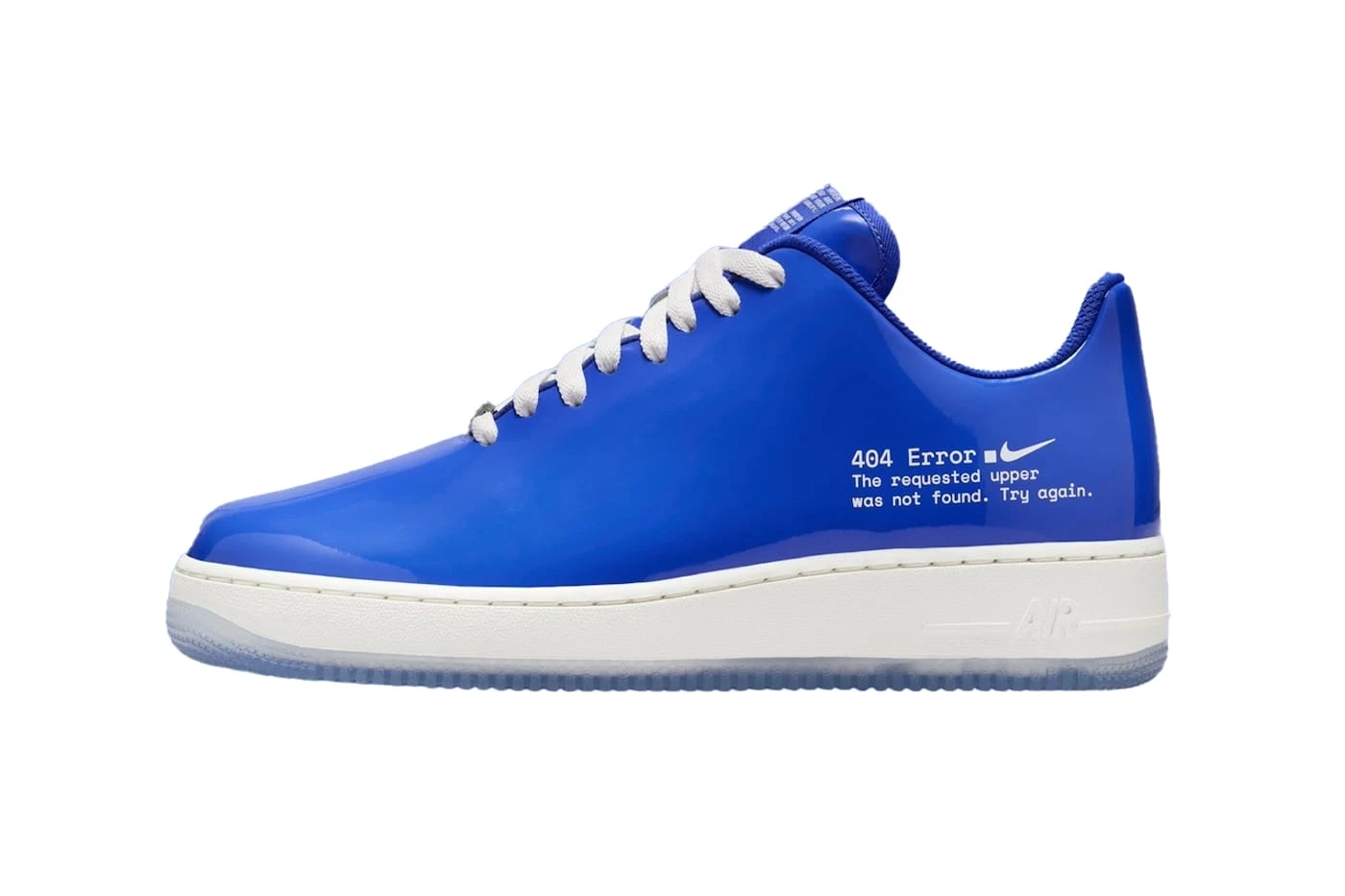
Aside from performance, Nike shoes are increasingly regarded as fashion statements. Collaborations with high-profile designers and celebrities, like Virgil Abloh and Travis Scott, have helped bridge the gap between sports and streetwear. This trend is reflected in the rising popularity of models such as the Nike Air Force 1 and the Nike Dunk, both of which are celebrated for their versatility and style.
The Current Market Landscape
As of 2023, Nike continues to lead the global sports footwear market with a market share of over 27%. The brand faces stiff competition from rivals like Adidas and Puma, yet it has managed to retain its top position through strategic marketing and by consistently delivering innovative products. The increasing consumer interest in sustainable practices also drives Nike’s initiatives for eco-friendly materials and production methods to appeal to environmentally-conscious shoppers.
Conclusion
The importance of Nike shoes transcends beyond just athletic functionality; they symbolize an evolving blend of performance and fashion that resonates with diverse consumers worldwide. As Nike continues to push boundaries through innovation while also embracing style, the future of Nike shoes looks promising. With continued focus on technology and sustainability, Nike is poised to maintain its prestigious position in the competitive sneaker market, reflecting broader trends in consumer preferences and environmental consciousness.