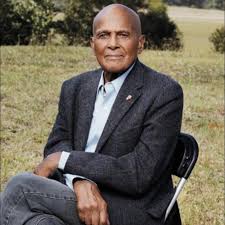
Introduction
Harry Belafonte, an iconic figure in music and civil rights activism, has passed away at the age of 96, leaving behind a rich legacy of contributions both to the arts and to societal change. Known for his distinctive voice and timeless hits such as “Banana Boat Song (Day-O)” and “Jump in the Line,” Belafonte not only broke racial barriers in the entertainment industry but also dedicated much of his life to advocating for equality and justice. His influence transcends generations and continues to resonate in today’s society.
Life and Career
Born Harold George Bellanfanti Jr. on March 1, 1927, in Harlem, New York, Belafonte’s career took off in the 1950s when he became the first artist to sell over a million copies of a single record with his 1956 hit, “Calypso.” This marked a significant moment in popular music, bringing Caribbean styles to mainstream audiences. He became known as the “King of Calypso” and was praised for his artistic range, seamlessly blending folk, pop, and world music influences.
Belafonte’s career extended beyond music; he was also a skilled actor, staring in films such as “Carmen Jones” and “The Island in the Sun.” His visibility as a Black performer allowed him to leverage his fame towards activism, where he worked closely with Martin Luther King Jr. and was a key figure in the civil rights movement, raising funds and awareness for causes that aimed to end racial segregation and promote social justice.
Activism and Humanitarian Work
Belafonte’s commitment to activism was as powerful as his music. He was involved in various humanitarian efforts, including raising funds for the United Negro College Fund and participating in the 1963 March on Washington for Jobs and Freedom. He used his platform to address issues such as apartheid, poverty, and racial injustice worldwide. His courage to speak out against social inequities made him a revered figure among many activists.
Conclusion
Harry Belafonte’s passing marks the end of an era, but his legacy will live on. His unique blend of artistry and activism serves as a profound reminder of the potential for musicians to influence societal change. As fans and future generations reflect on his extraordinary contributions, it is clear that Belafonte’s voice will echo through time, inspiring others to continue the fight for justice and equality. His impact on music and civil rights has laid the foundation for future leaders and change-makers, ensuring that his spirit of activism continues to thrive.