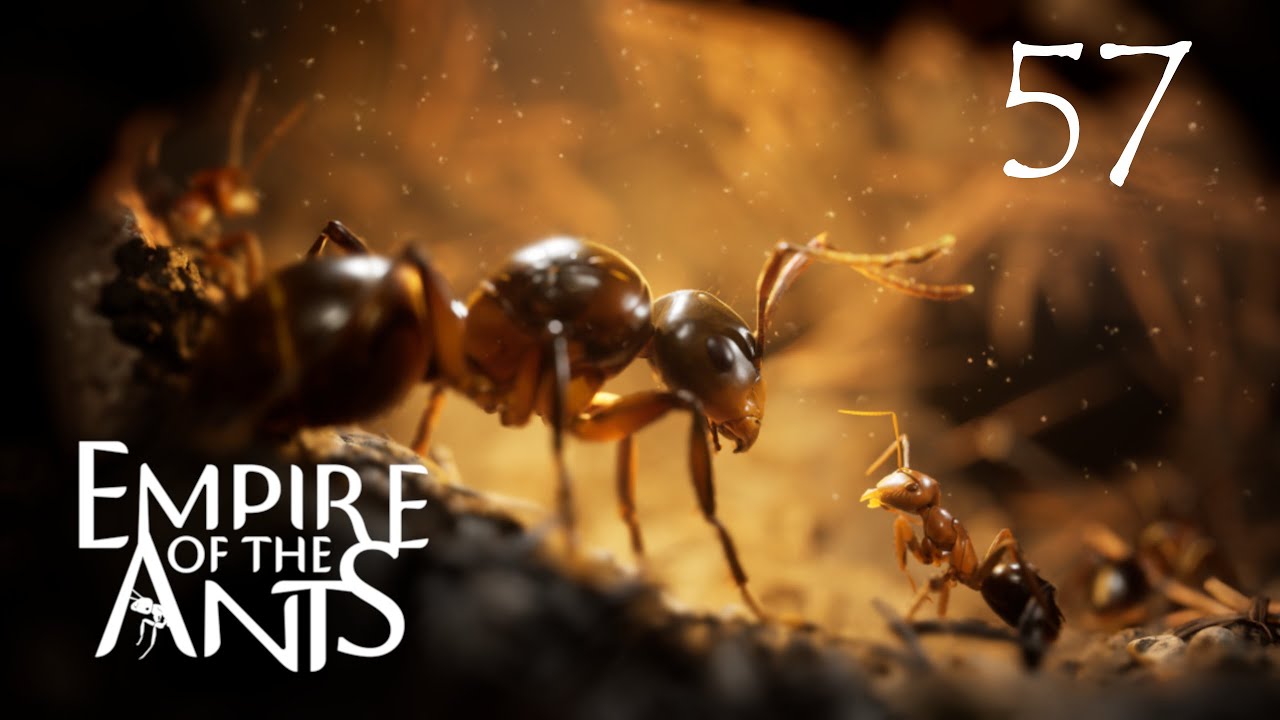
Introduction to Ants
Ants are one of the most successful social insects on the planet, with over 12,000 species identified across various ecosystems. Their importance cannot be overstated as they play crucial roles in environmental processes, including soil aeration, seed dispersion, and as indicators of ecological health. Understanding ants sheds light on biodiversity and the intricate relationships within ecosystems.
Ant Behavior and Societies
Ants exhibit remarkable social behavior, living in colonies that can consist of thousands, or even millions, of individuals. These colonies operate with a complex division of labor; worker ants foraging for food, soldiers protecting the colony, and reproductive individuals ensuring the next generation. Recent studies have highlighted the advanced communication among ants, primarily through pheromones, which enables coordinated actions, such as foraging and defense strategies.
Recent Studies and Findings
Research conducted by entomologists at the University of California indicates that ants contribute to nutrient cycling significantly by breaking down organic matter. This helps maintain soil fertility and promotes plant growth. In a 2023 study published in the journal Ecology Letters, scientists reported that ant populations can serve as bioindicators to assess the health of various ecosystems. The study found a direct correlation between declining ant populations and the deterioration of soil quality in urban environments.
Ants and the Environment
Ants interact with other species, including plants and fungi, showcasing their ecological importance. They help with pest control by preying on various insect species, contributing to natural pest management. Moreover, ants assist various plants in reproduction by transporting seeds to their nests, where they discard the seed remains. This symbiosis aids in plant dispersal and subsequent growth in new areas, thus maintaining biodiversity.
Conclusion
Ants are more than just common insects; they are vital components of our ecosystems. Their complex social structures, behavior, and interactions with the environment highlight their ecological importance. As urban areas continue to grow, understanding the role of ants can assist in conservation efforts and strategies to maintain ecological balance. Educating communities about the significance of ants could foster a greater appreciation for these small yet impactful creatures, leading to more sustainable practices that protect their habitats.